Why you should see the full slab
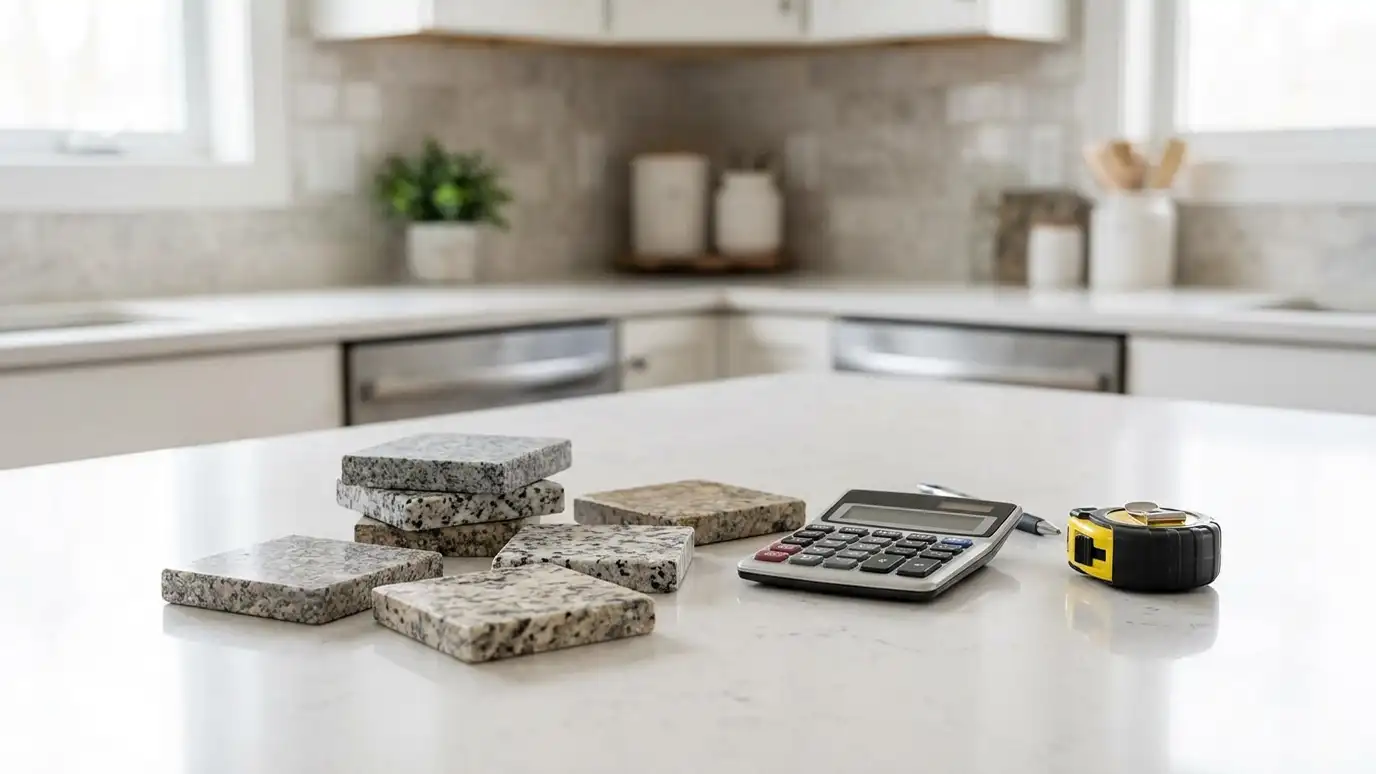
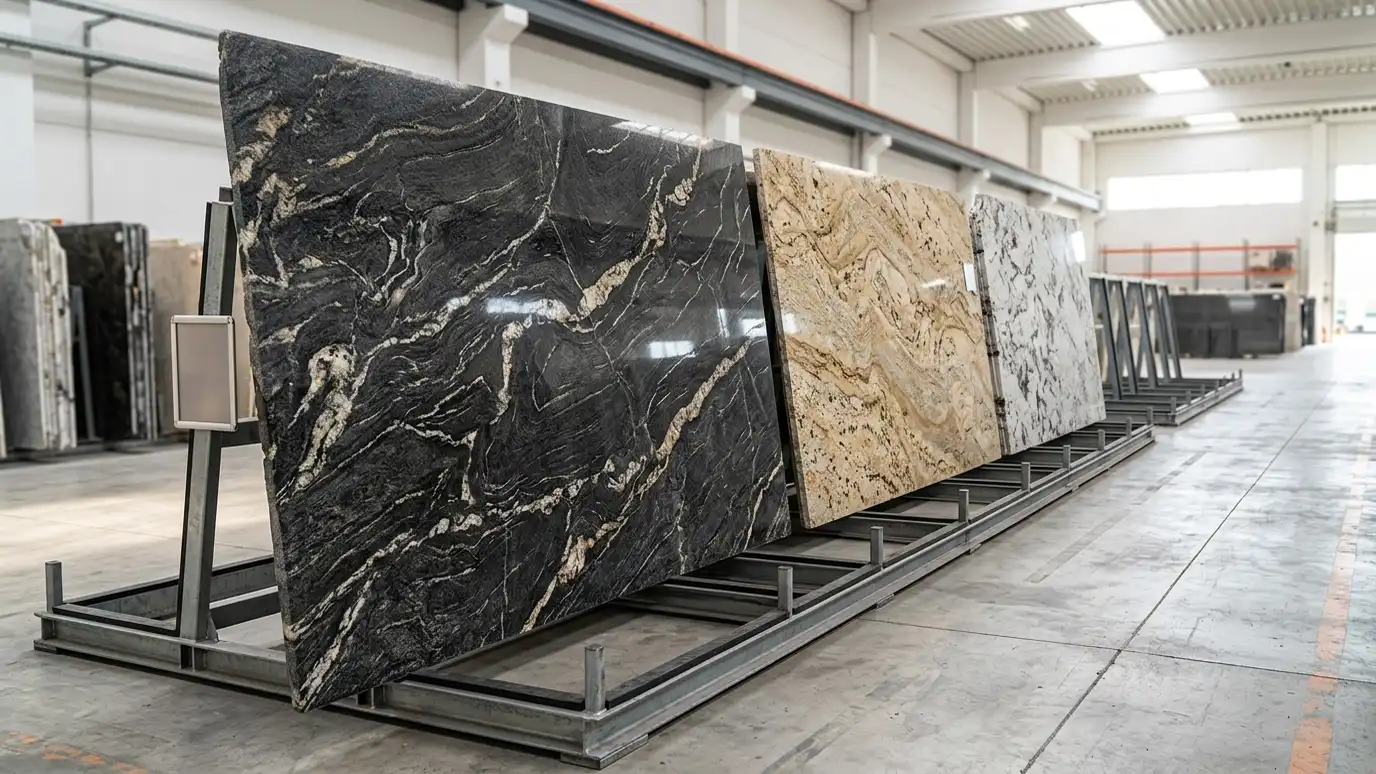
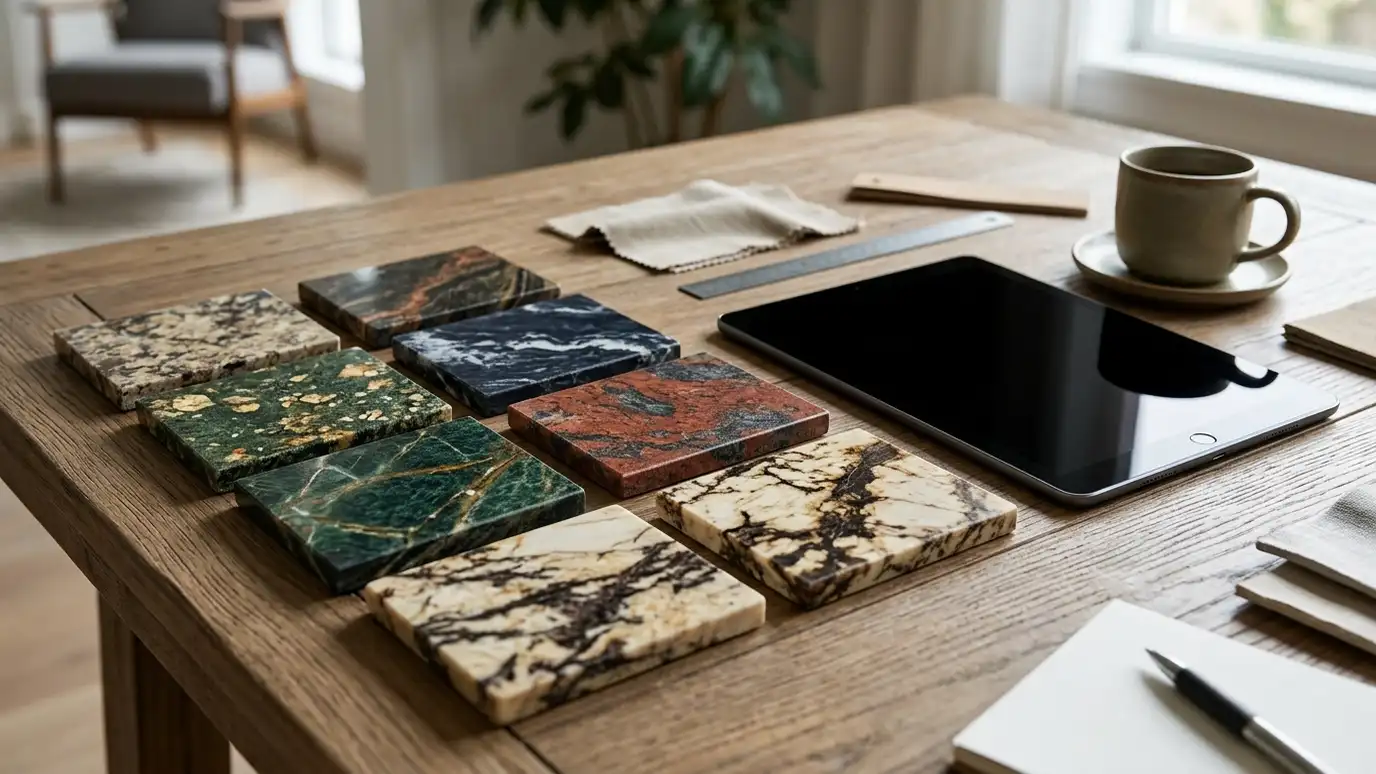
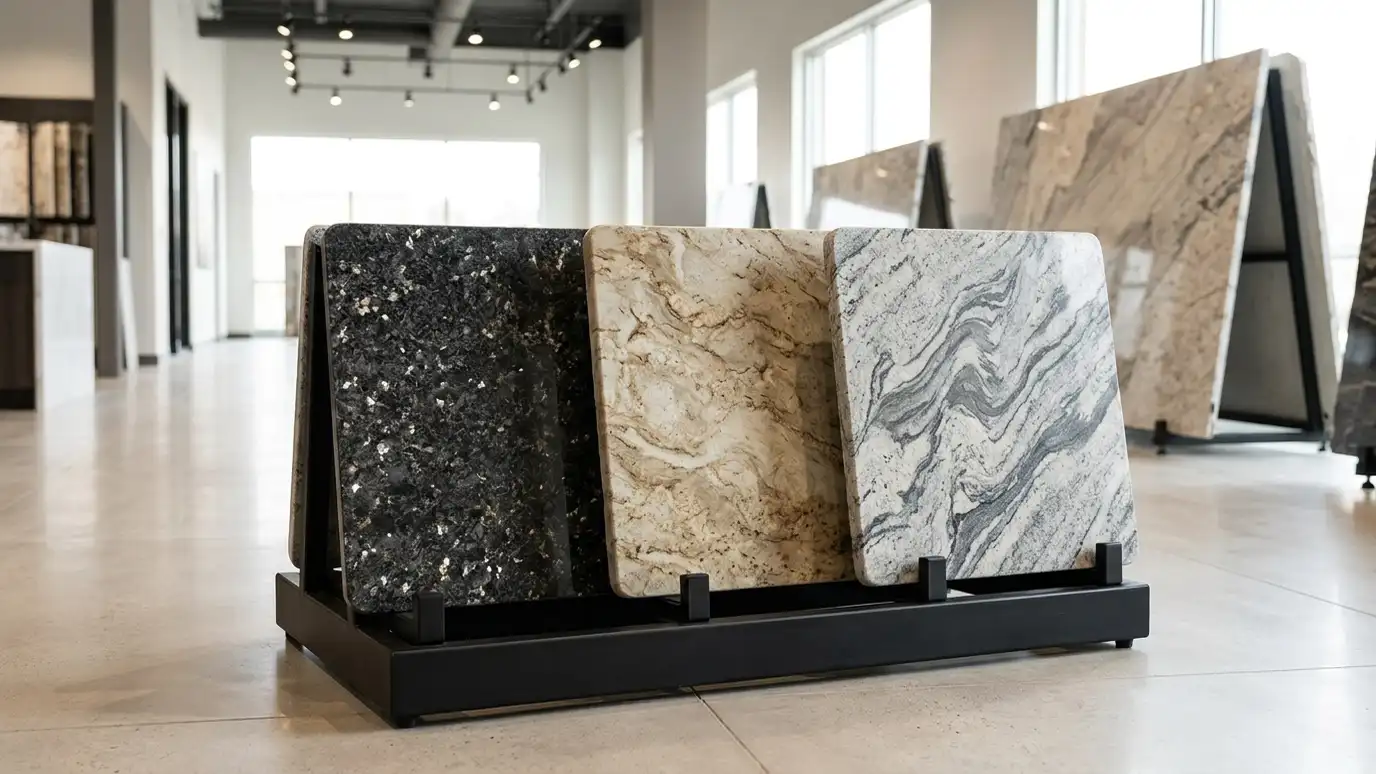
A sample the size of a hand can look nothing like the slab it came from. Natural stone changes across its surface, with bands of color, clusters of crystals and veins that move. Seeing the full slab shows the true range and lets you picture where each part will land on your counters.
Because the stone is unique, the slab you tag is the slab you get. Taking time here is the best protection against regret.
Reading color and pattern
Stand back and look at the whole slab, then step close to see the detail. Notice the base color, the flecks and any veins. Look at how the pattern changes from one end to the other, since a section you love may not fall on the part of the counter that is most visible.
Look at the slab in different light if you can. Daylight, shop lights and your kitchen lights all change how color reads.
Fissures, fills and flaws
Many granites have small fissures, which are natural hairline breaks, and some have resin fills. These are usually cosmetic, but they can matter near sink cutouts or at edges. Ask the yard how the slab is treated and ask your installer where a fissure would fall in your layout.
Run a hand over the surface. It should feel smooth and even. Ask about slabs that look unusually soft or porous.
Think about layout
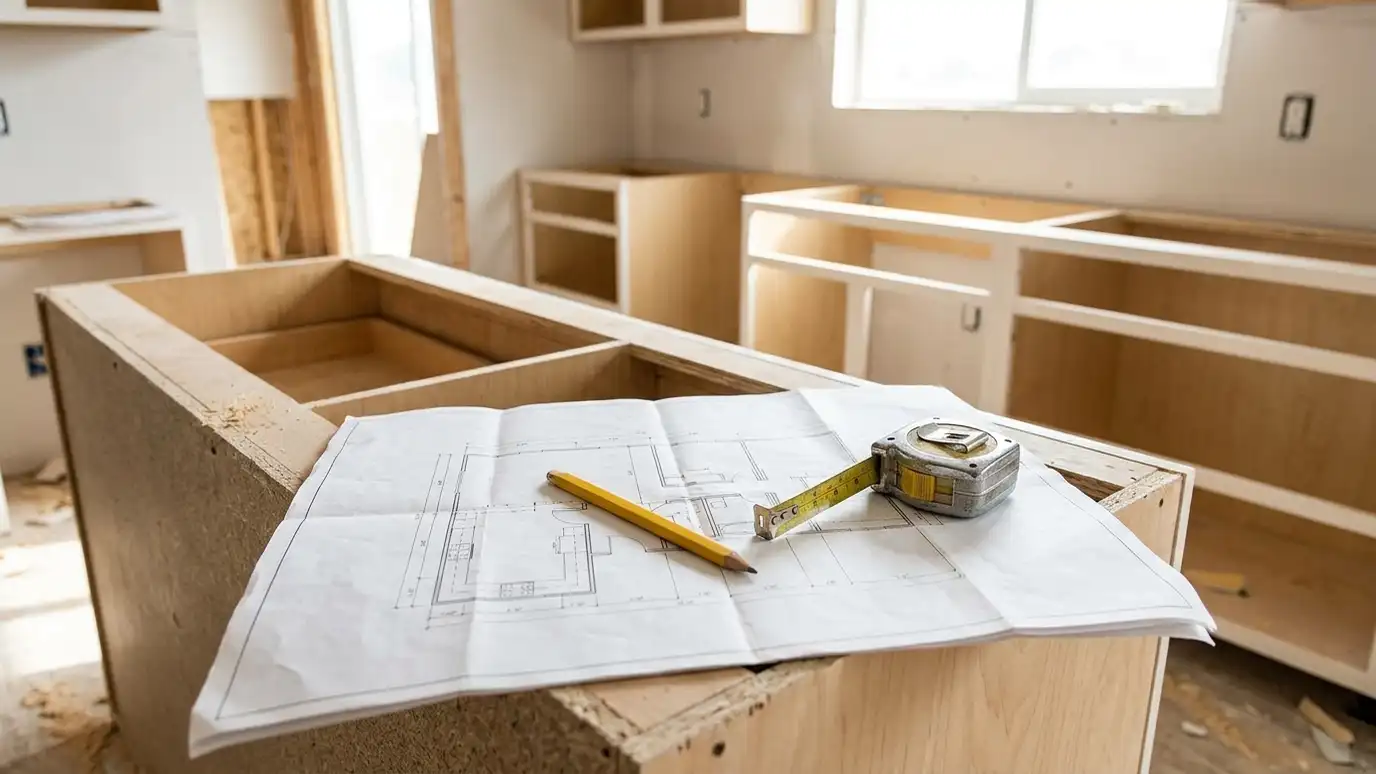
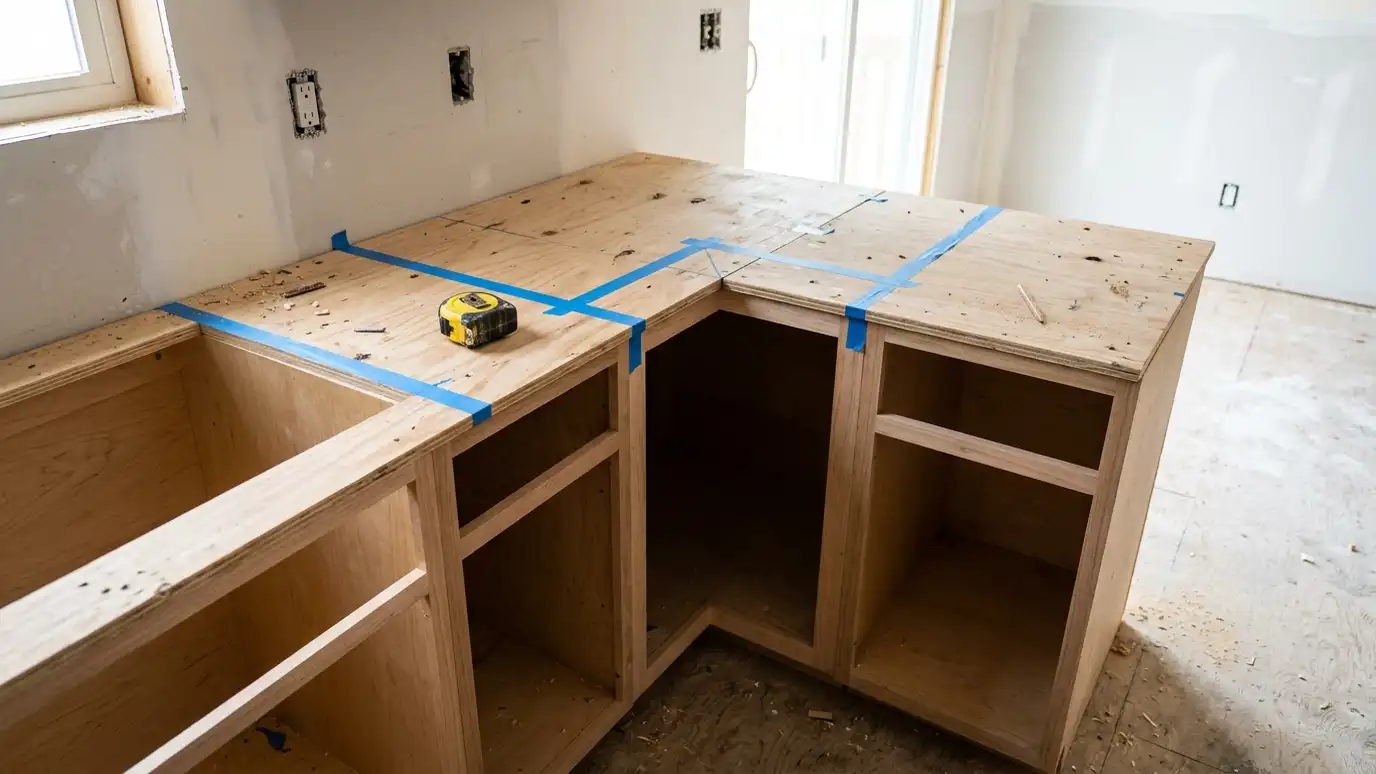
Bring your measurements and a rough layout. Your installer can help you see whether the slab will cover your counters, where seams might fall and how the veining will flow. A slab that is perfect in color but poorly sized for your kitchen may need a second slab.
Leave room for waste, since sink cutouts, edges and pattern matching all use material.
Ask about thickness and finish
Confirm the slab thickness, since two and three centimeter slabs behave differently. Ask whether the finish is polished, honed or leathered and whether it can be changed.
If you plan an outdoor kitchen or a heavy-use area, ask whether the finish suits it.
Tagging and holding the slab
Once you decide, the slab is tagged and held for you. Ask how long the hold lasts, who pays the stone yard and how the slab gets to the fabricator. Get the details in writing.
Take photos of the tagged slab, including the tag number, so there is no confusion later.
When your first choice is not available
Sometimes a favorite slab is sold, or a particular color is out of stock. Ask for similar stones, or ask whether a special order is possible. Being flexible on color and open to alternatives can lead to a result you like as much or more.
Do not rush. A good installer will help you wait for the right slab rather than settle.
See the full slab, bring your layout and photograph the tag before you leave the yard.