What each one is
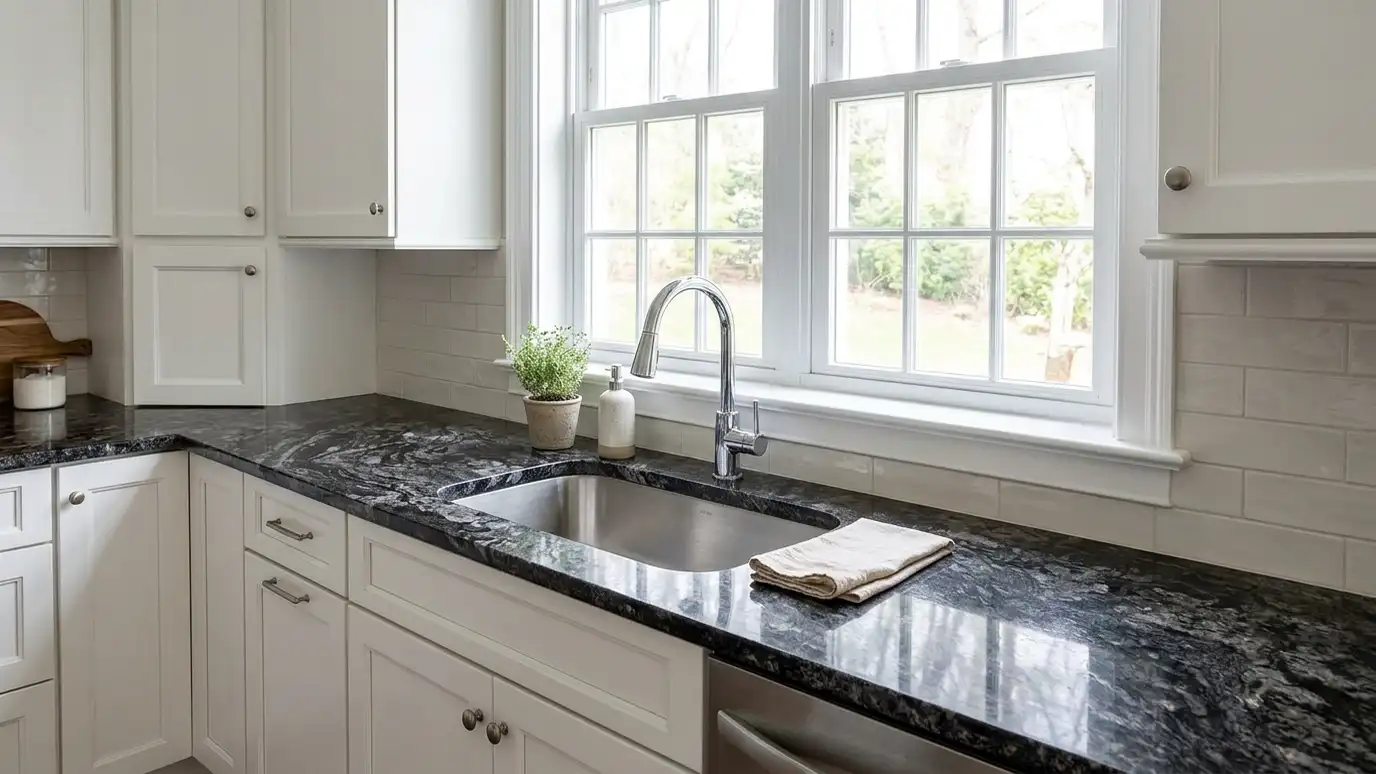
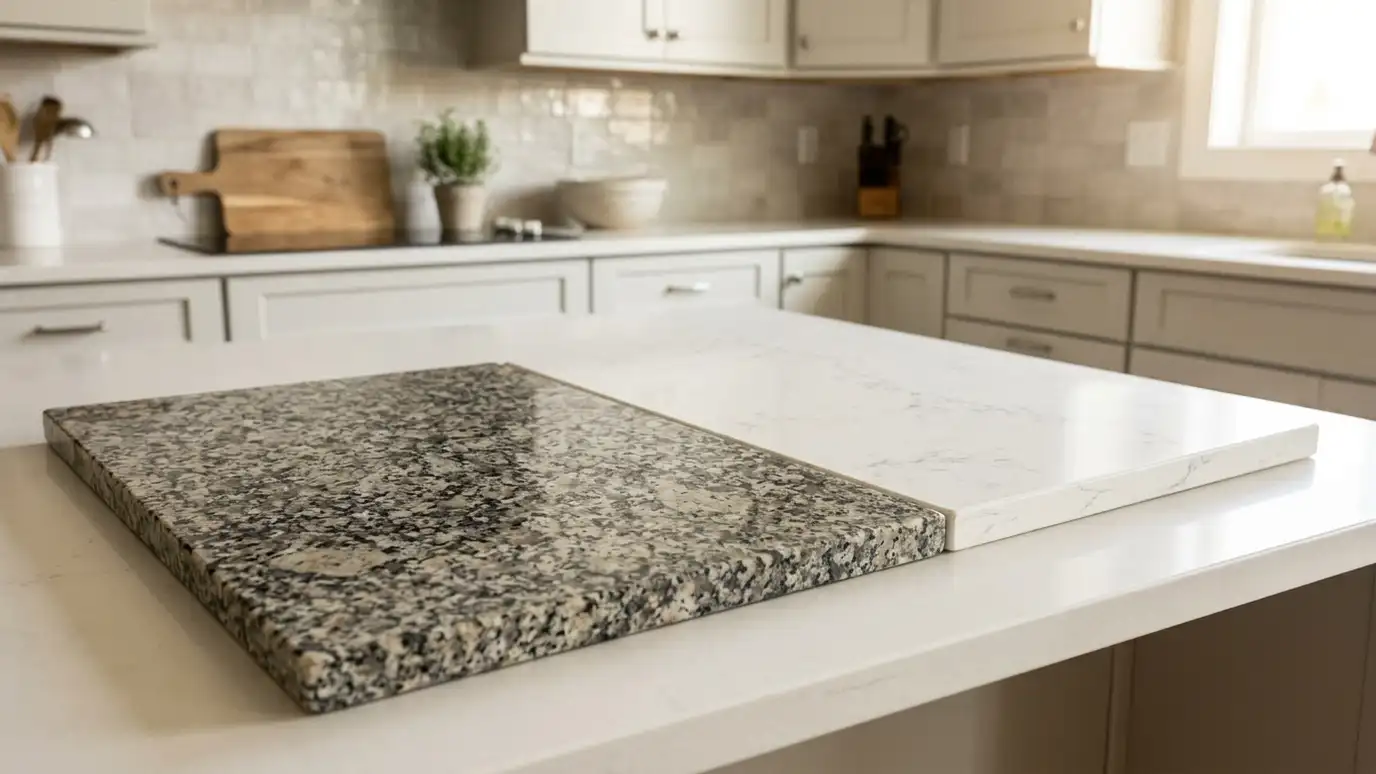
Granite is a natural stone quarried in blocks and cut into slabs, and each slab is unique. Quartz is an engineered product made of crushed quartz bound with resin, formed in a factory into uniform slabs. The two materials look similar from across the room and behave differently up close.
Both are strong, popular and widely installed, so the choice rests on small differences that matter in daily use.
Heat and scratches
Granite shrugs off hot pans and resists scratches well. Quartz also resists scratches, but the resin can be damaged by very hot cookware, so trivets are a must. In a kitchen where hot pots routinely land on the counter, granite is more forgiving.
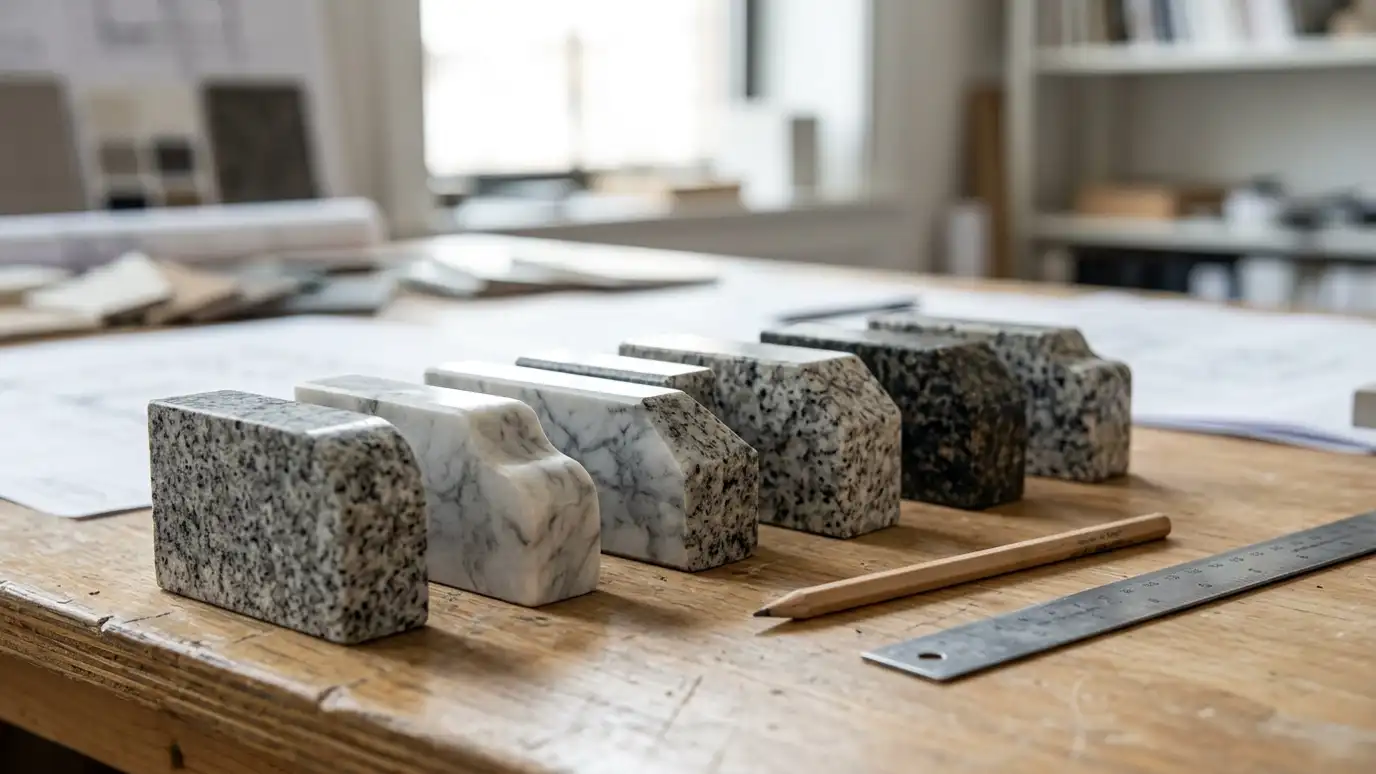
Both can chip at the edge if struck hard. Rounded edges resist chipping better in either material.
Stains and sealing
Granite is slightly porous and benefits from sealing every year or two. Quartz is non-porous and never needs sealing, which is a real advantage for busy households and rental properties.
If you are comfortable with a simple maintenance routine, granite is easy. If you want to never think about it, quartz is easier.
Look and variety
Granite has movement, depth and surprise. No two slabs are alike, and some stones glitter or glow in the light. Quartz offers uniform colors and patterns, including designs that mimic marble, and it is more predictable from slab to slab.
If you value one-of-a-kind character, granite wins. If you want a precise, consistent look, quartz does.
Seams and installation
Both are heavy and need careful installation. Quartz patterns are consistent, which can make seams easier to hide. Granite seams need careful pattern matching. In both cases, templating, layout and cabinet support matter more than the material.
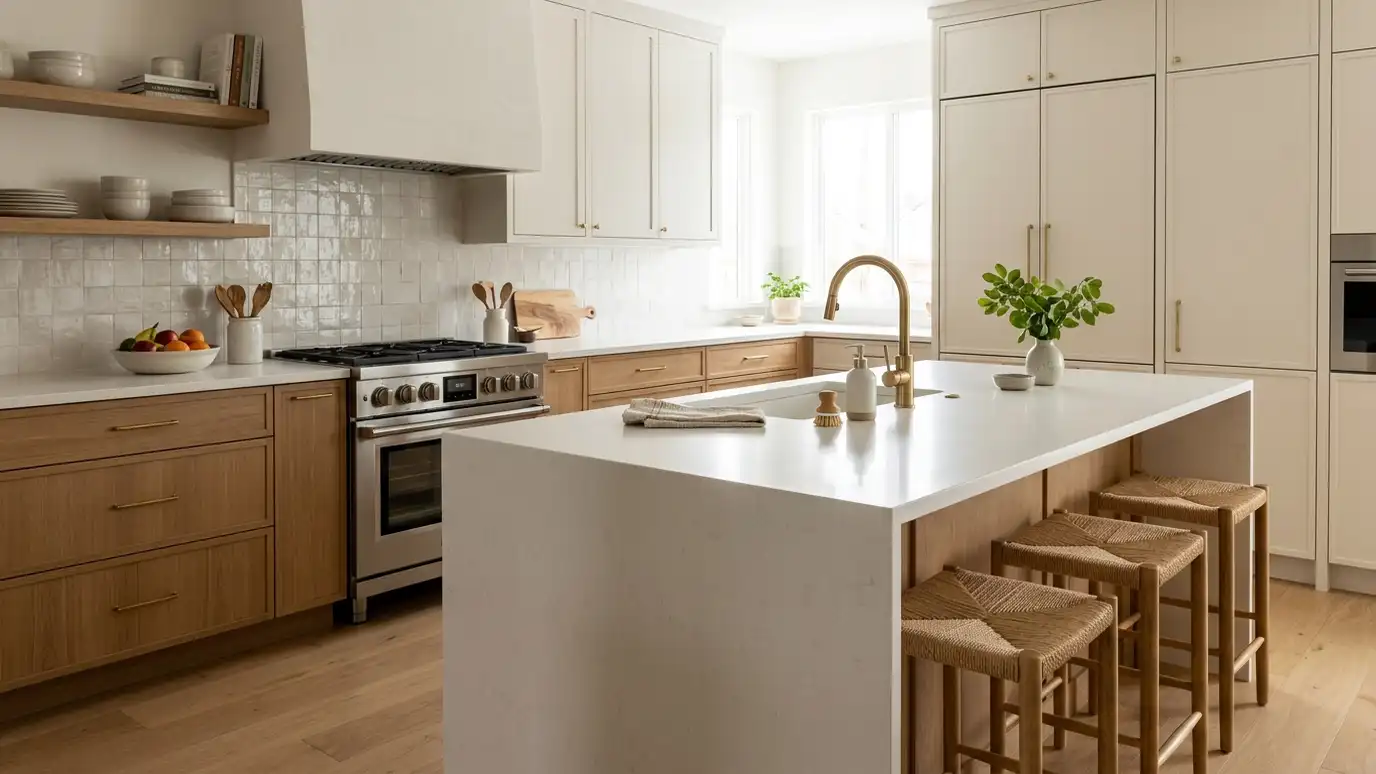
Large islands in either material benefit from a thoughtful layout.
Outdoors and sunlight
Granite handles outdoor kitchens well because it is natural stone that does not fade in sun. Quartz is generally not recommended outdoors, because sunlight and heat can discolor the resin. If you plan an outdoor kitchen, granite or porcelain are better choices.
For indoor kitchens with large sunny windows, some quartz colors may yellow over time.
How to decide
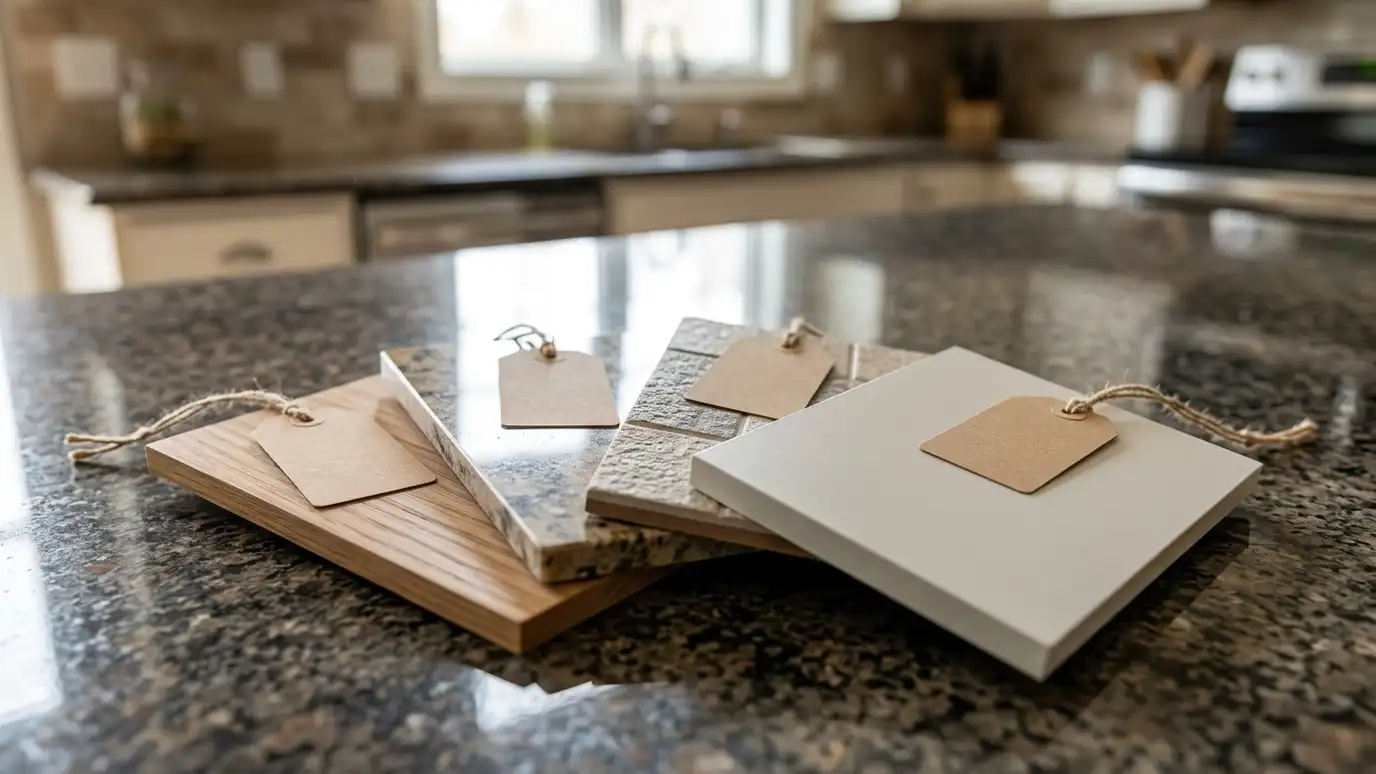
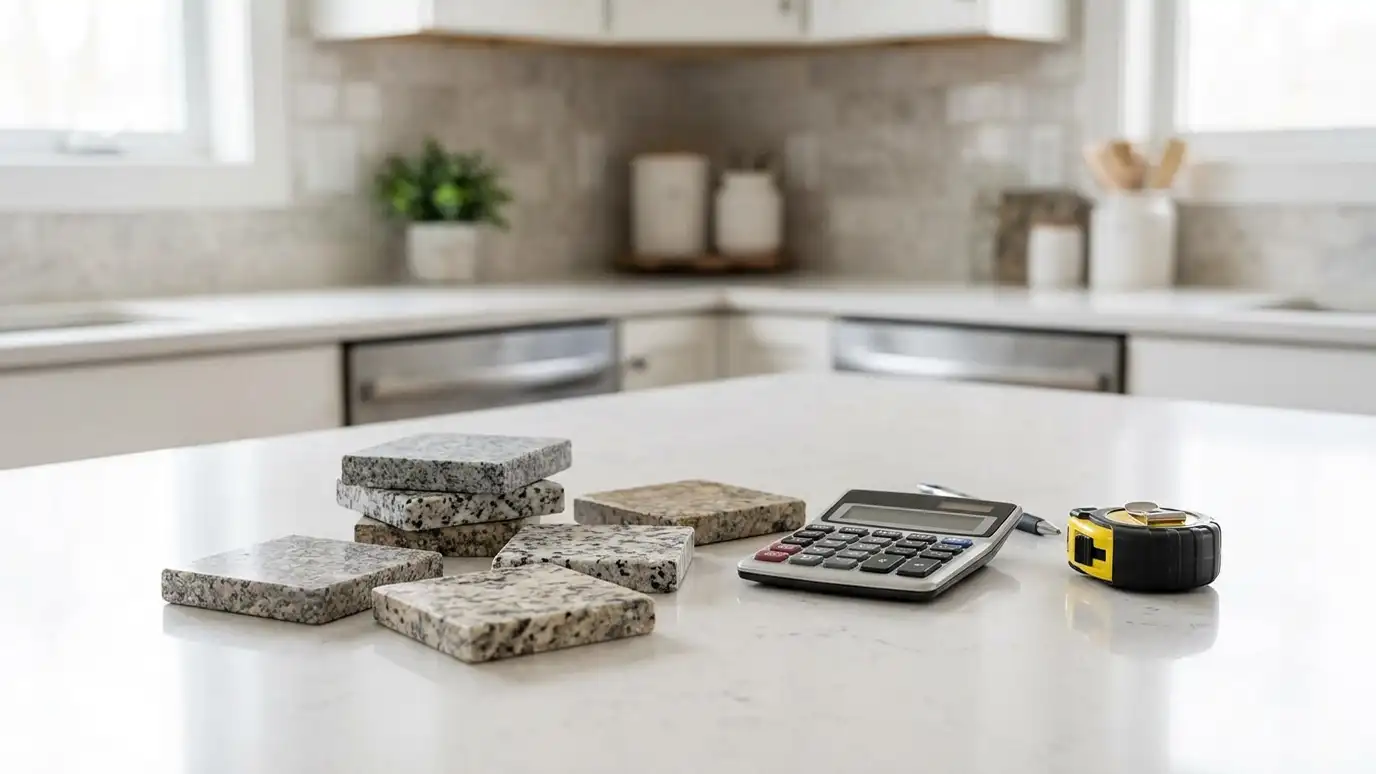
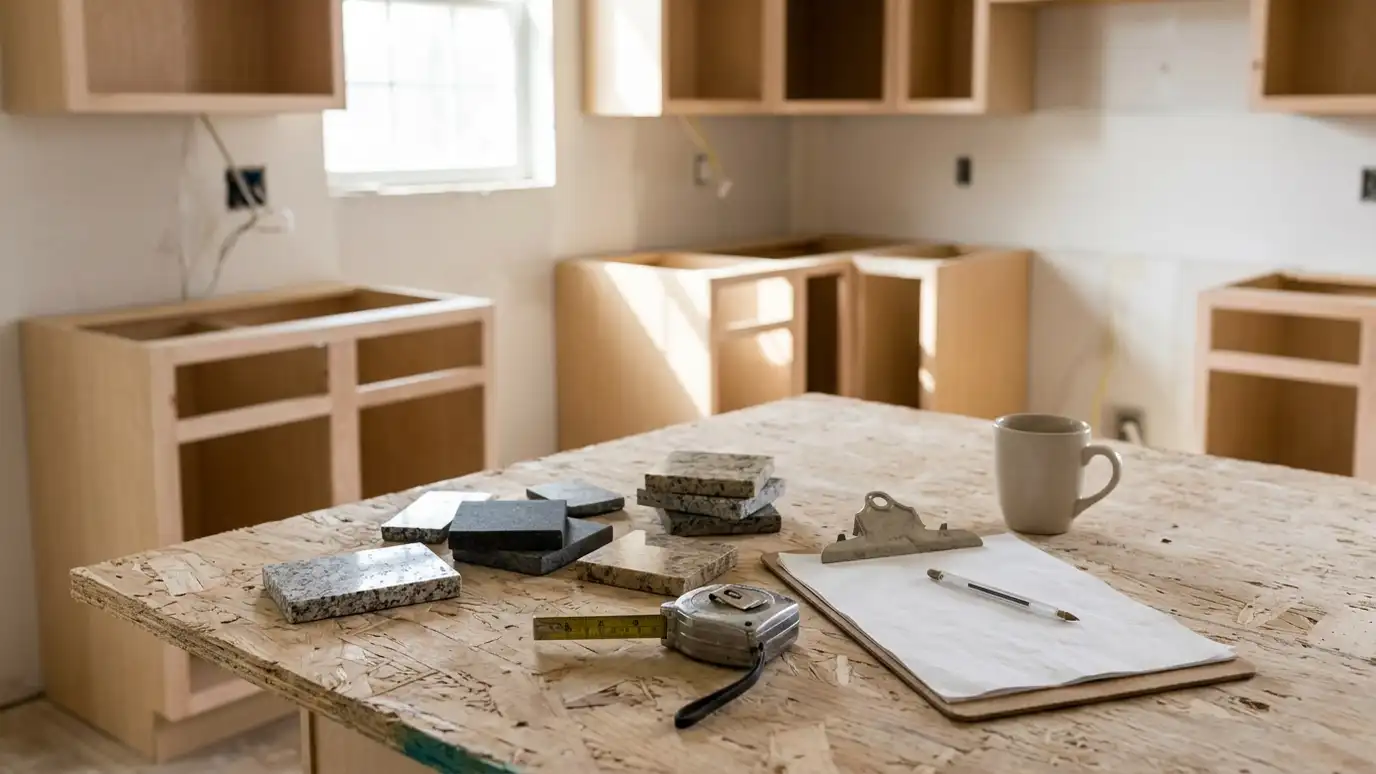
Make a short list of what matters most: heat tolerance, sealing, uniformity, character or budget. Look at large samples in your own kitchen and think about your household. Both are great choices, and a good installer will do either well.
We install both. We do not sell slabs, so our advice is free of any push toward one.
Choose granite for character and heat tolerance, quartz for uniform looks and no sealing, and see full samples in your own light.