Why there is no single price
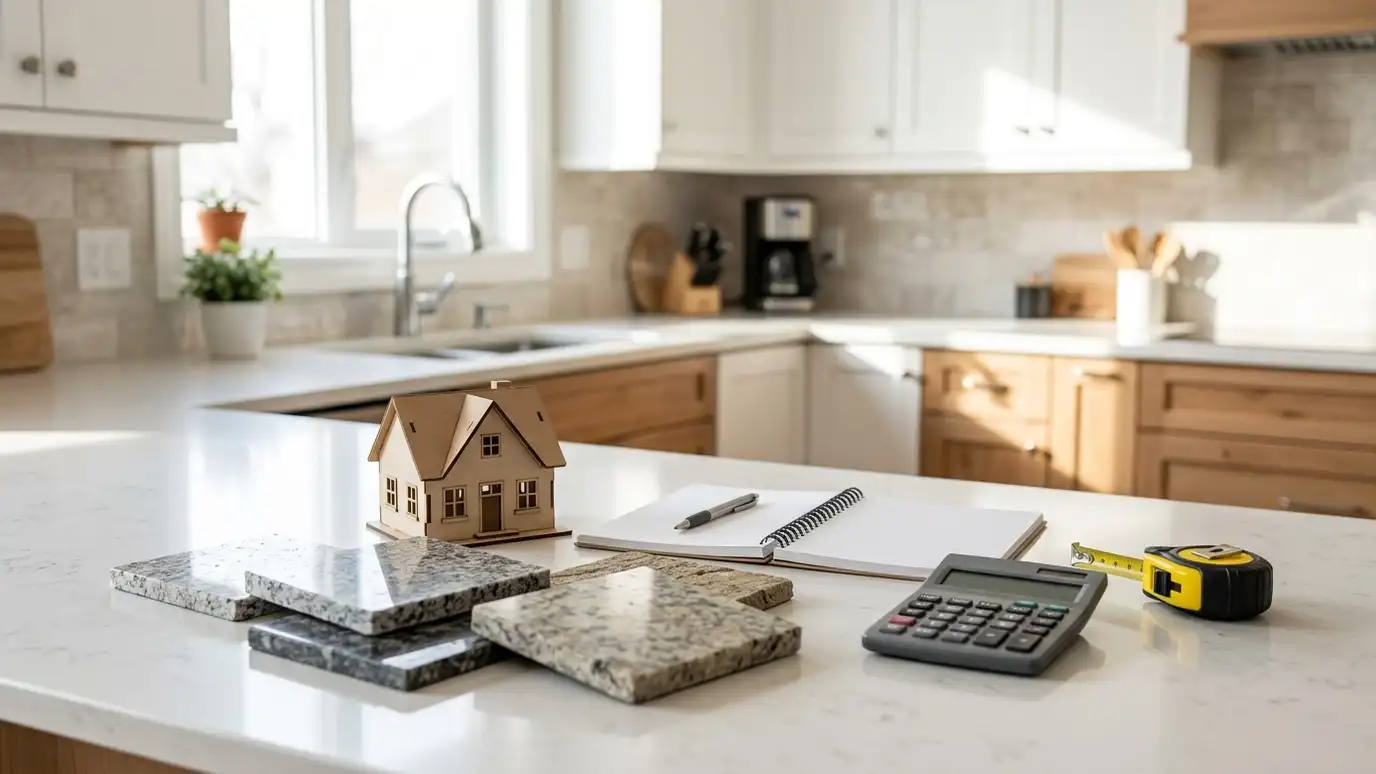
Two kitchens of the same size can cost very different amounts because granite pricing follows the stone, the layout and the work around it, not just the square footage. A simple counter in a common stone is a different project from an island with a waterfall edge in a rare slab. Prices you see online are averages across very different jobs, which is why they rarely match your own.
The more useful question is which stone, which edges and which extras you want. Once those are written down, any installer can price the same list, and you can see where the money goes.
The stone itself
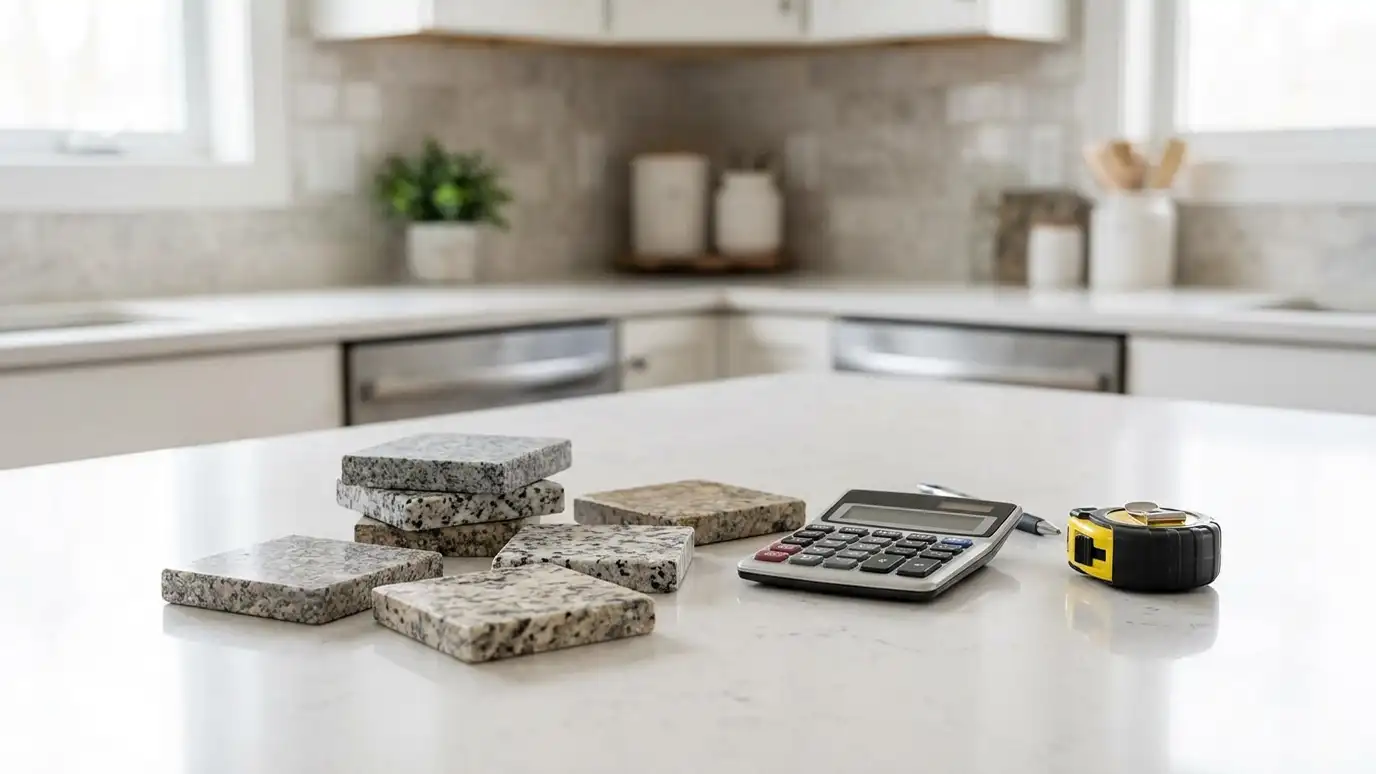
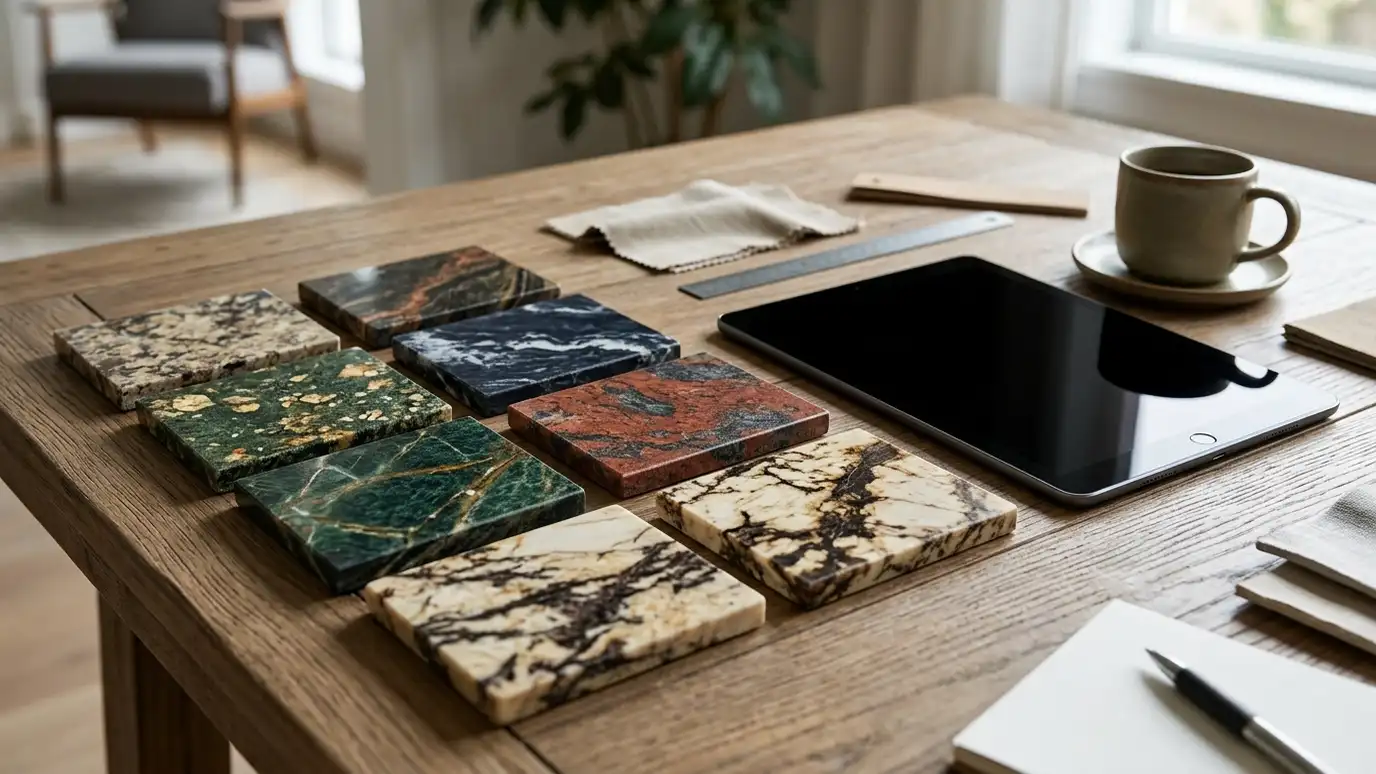
Granite is sold in price groups. Common colors and patterns cost less, while rare, exotic or very dramatic slabs cost more. Thickness matters too, because a thicker slab uses more material. Origin, availability and the effort of quarrying and shipping all play a role.
The most important point is to judge the actual slab, not only the group name. A mid-range slab you love can look better than an expensive one you merely tolerate.
Layout, edges and cutouts
The way counters are laid out on a slab decides how much stone is used and how many seams you need. Smart layouts can save a slab. Edge profiles add fabrication time, with simple eased edges costing less than ogee or waterfall edges, and every sink, cooktop or faucet cutout adds work.
Mitered edges, built-up edges, backsplashes, radius corners and special features each add cost. None is wrong, but it helps to know which ones you are choosing.
The work around the stone
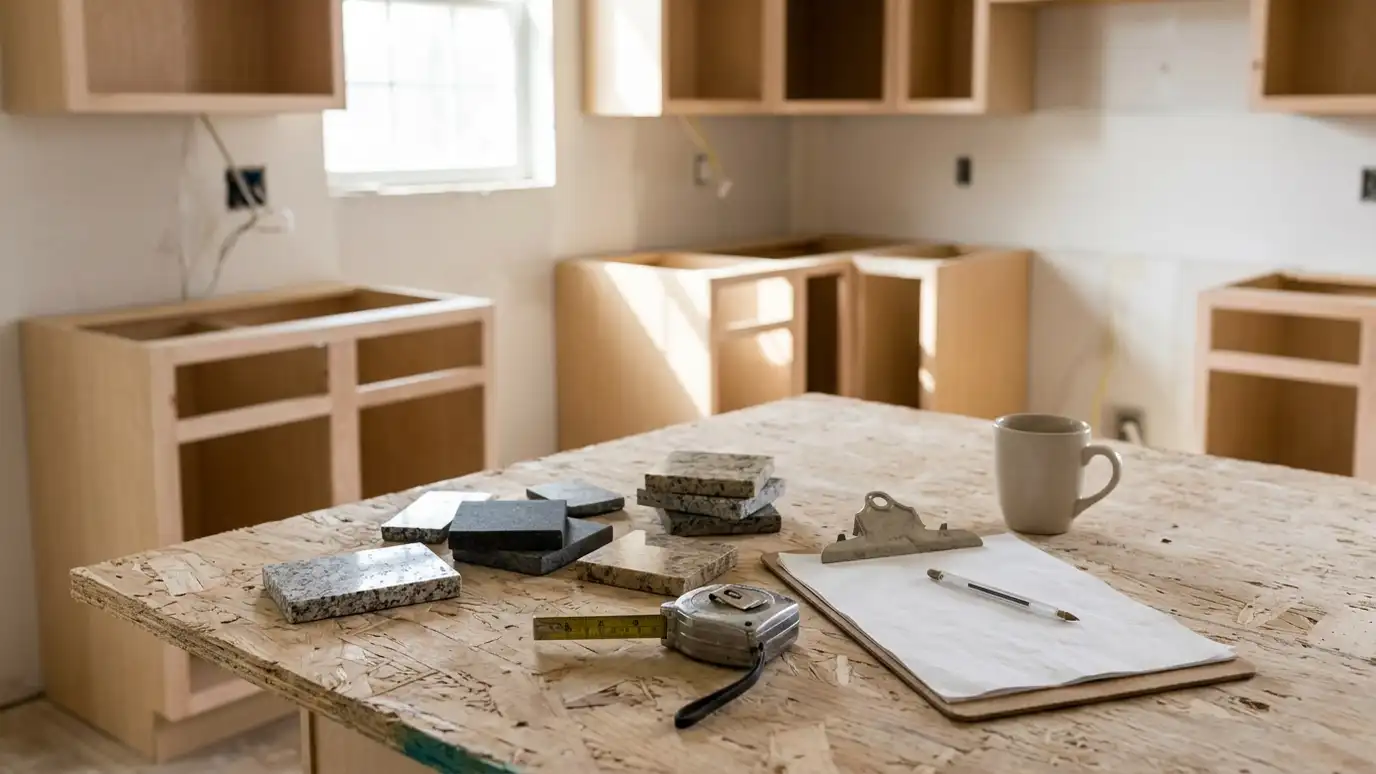
Removal and disposal of old counters, cabinet leveling or reinforcement, sink and plumbing disconnects, a new sink or faucet and backsplash work are separate line items that often get left out of casual comparisons. In older Nashville homes, hidden cabinet damage can also turn up once the old top is removed.
Ask every installer to list these items so you can compare them fairly. A quote that omits removal or plumbing may look less expensive, but you will pay for those steps later.
Where to spend and where to save
Spend on what you see and touch every day: the stone for the main work area, a comfortable edge and a clean, well-planned layout. Save by choosing a simple edge, keeping your existing sink if it fits the new cutout and using one slab efficiently.
Mixing stones can also stretch a budget. A showpiece slab on the island with a simpler stone on the perimeter is a common designer move, and remnants can supply vanity tops and accents at modest cost.
How to compare quotes fairly
Ask each installer to price the same stone group, the same thickness, the same edge and the same cutouts, and to state what is included. Look for details on templating, fabrication, installation, sealing, removal and cleanup. A very low quote may leave something out or assume a lower stone group than you expect.
Check how long the quote is held and what happens if the slab you choose is different from the one priced. Clear answers are a good sign.
Questions to ask before you sign
Which stone group and thickness is priced? How are seams, edges and cutouts handled? Is removal included? Who coordinates plumbing? What is the schedule from templating to installation? How are changes documented?
The answers tell you as much about the company as the number at the bottom of the page.
Choose the stone you love, price the same written scope with every installer and make sure removal, plumbing and sealing are on the list.