Why seams exist
Granite slabs are cut from large blocks, but they have a maximum size, typically around ten feet long. Any counter that is longer than that, or that turns a corner in an L or U shape, needs more than one piece. Seams are a normal part of stone counters, not a flaw.
A good seam is strong and nearly invisible. A bad seam is the one everyone sees first.
Where seams belong
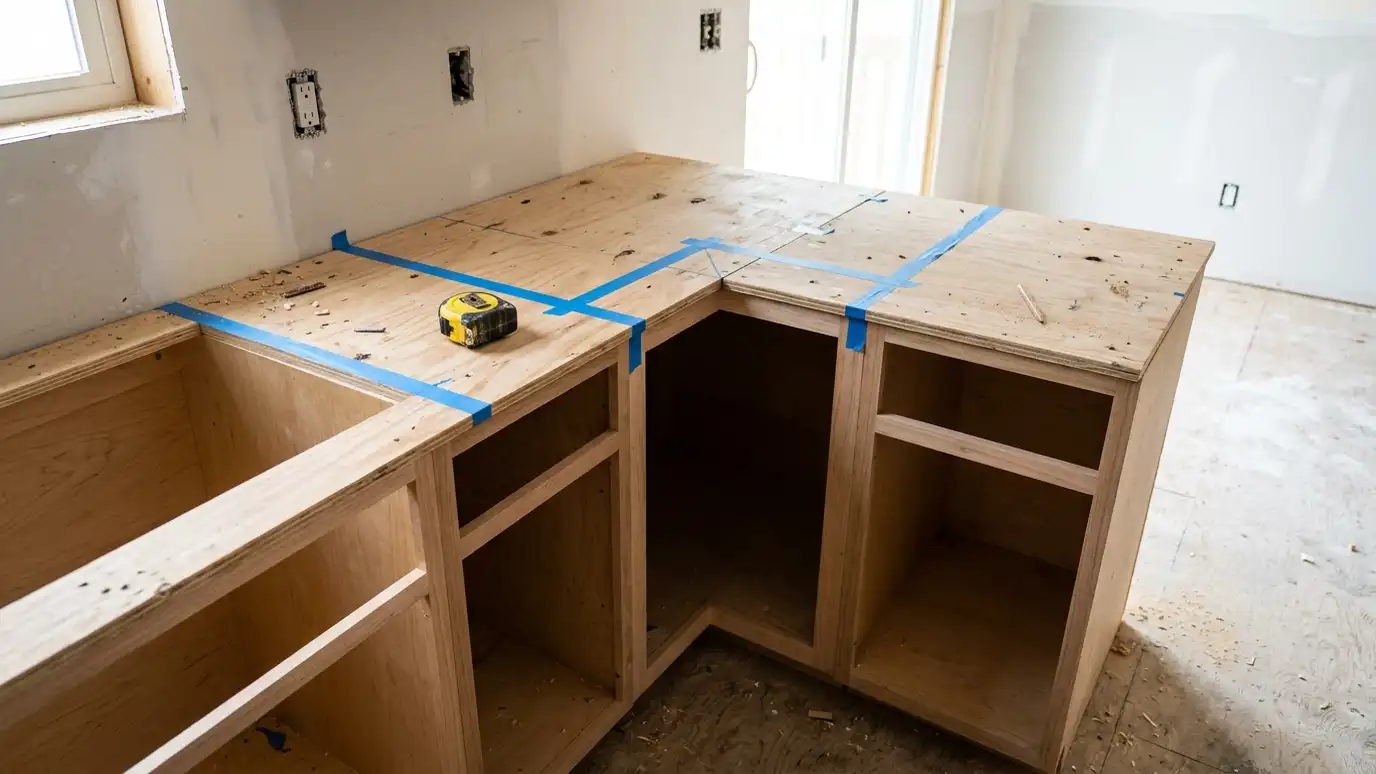
The best seam locations are near the sink, where the line is naturally interrupted, or in a natural break between runs. They should sit over well-supported cabinets and away from cooktops, dishwashers and narrow strips of stone.
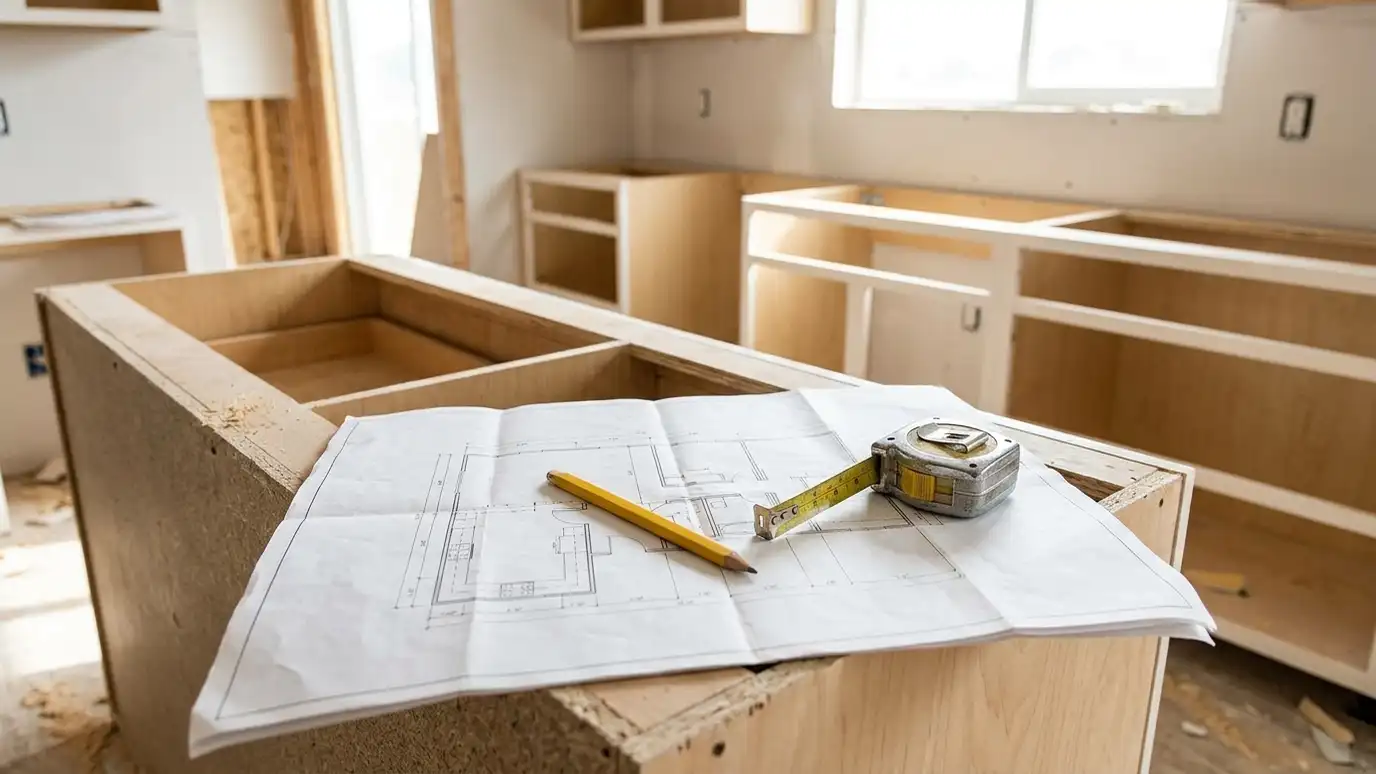
Your installer should show you the layout and explain each seam. If they do not, ask.
Matching the pattern
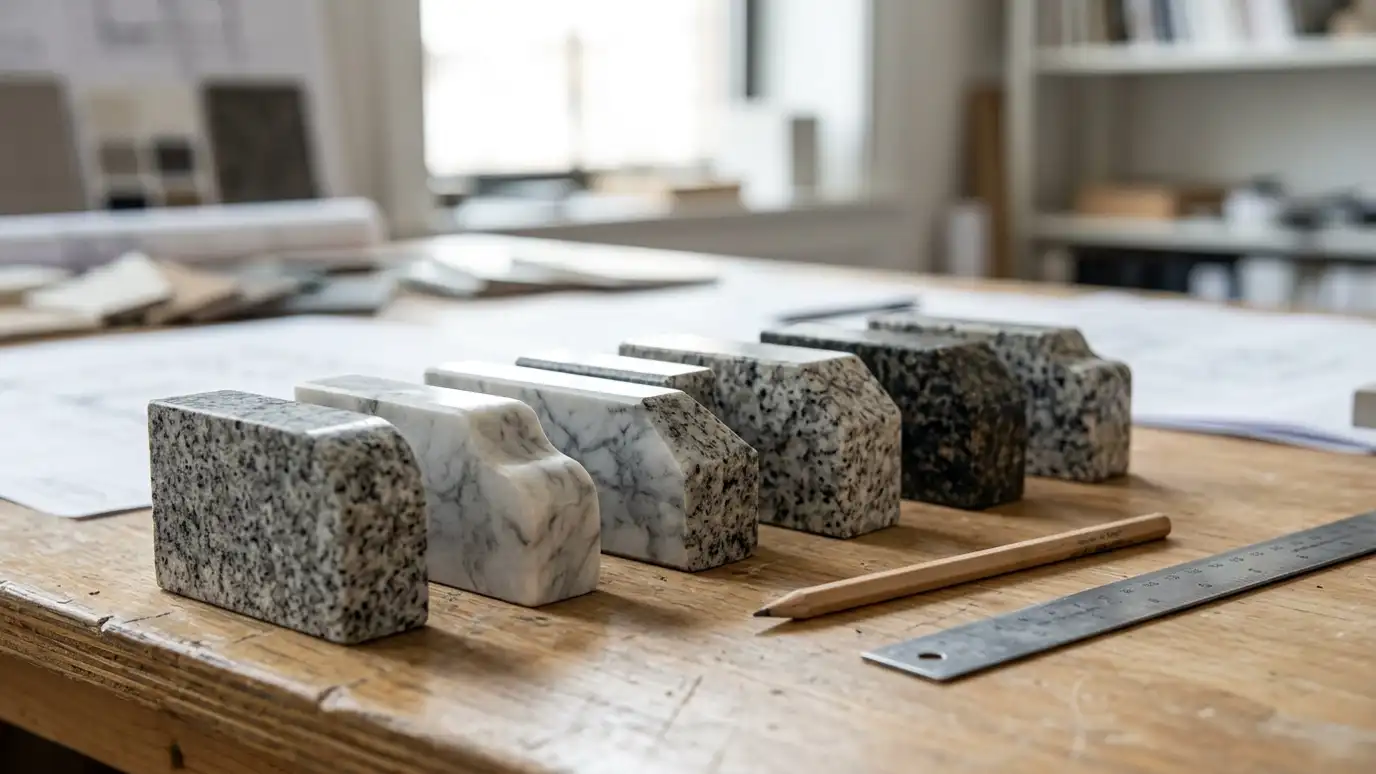
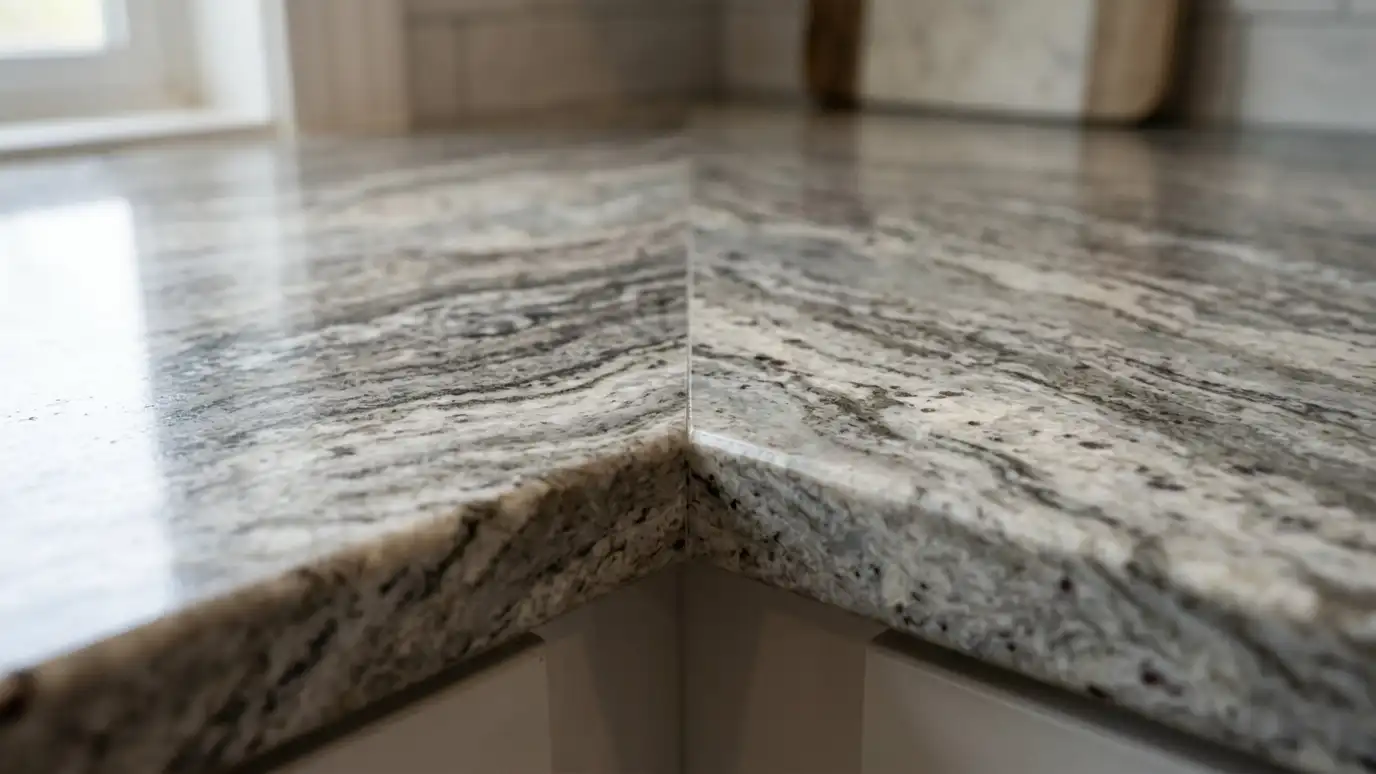
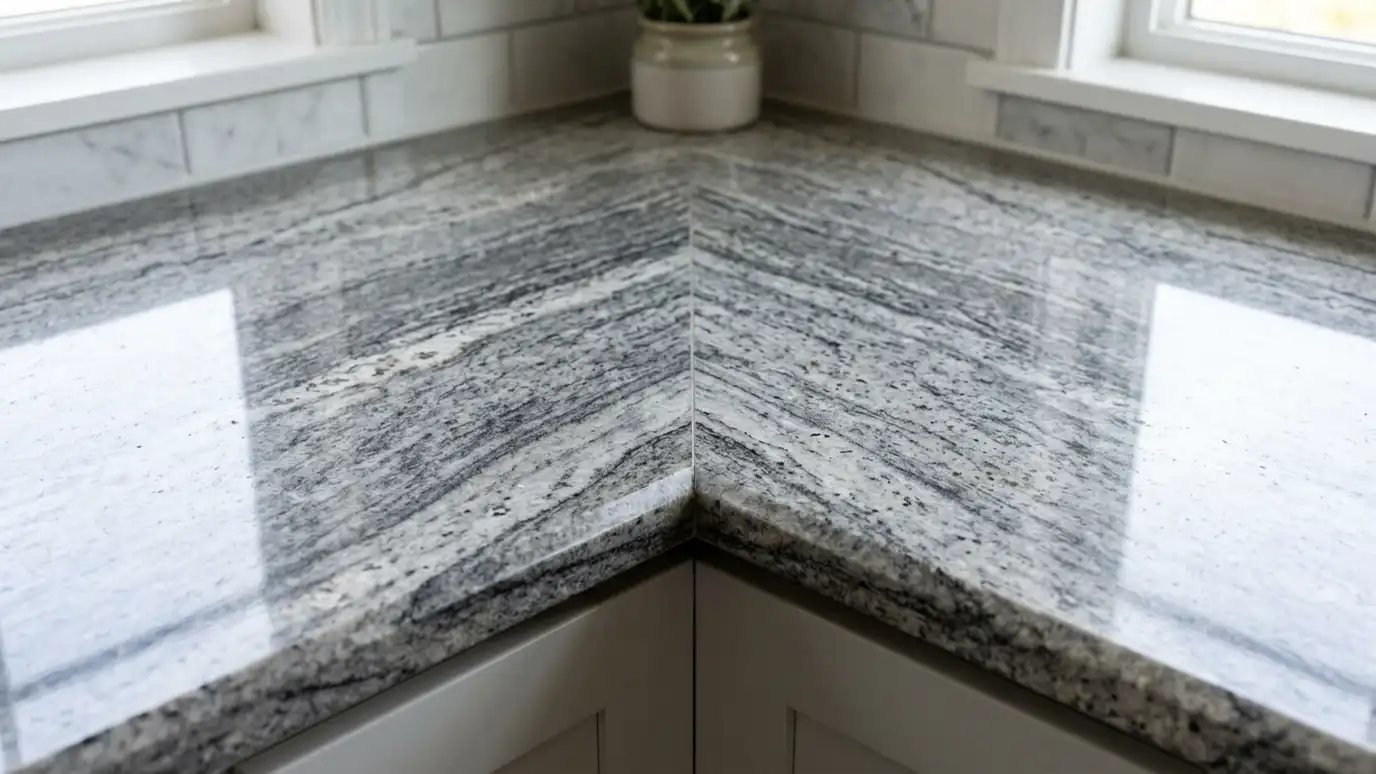
A good layout matches the pattern across the seam so veins and color flow from one piece to the next. This takes planning at the slab, where the installer arranges the pieces so the movement continues.
Uniform stones are easier to match than ones with big veins. Exotic and veined stones need extra planning.
How a quality seam is made
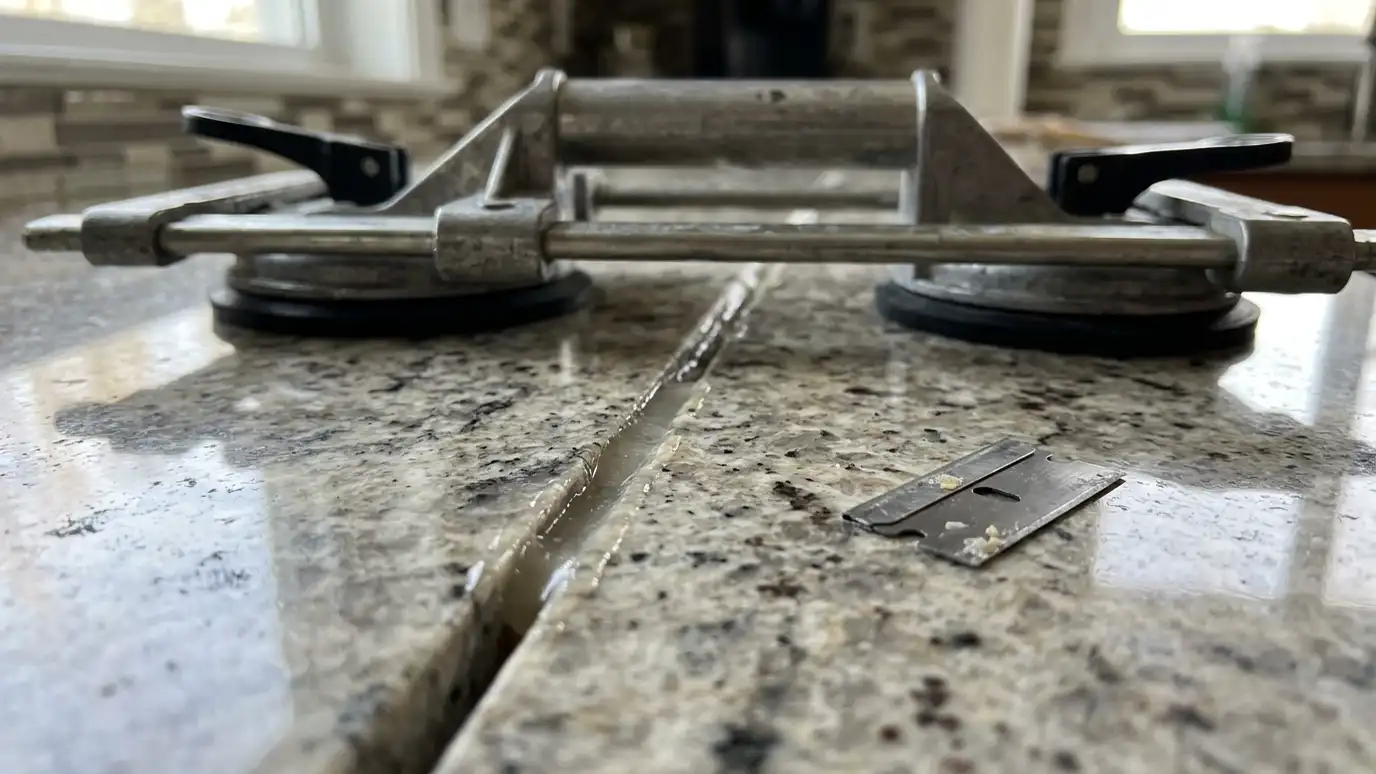
The two edges are cut straight and fitted tightly. A color-matched adhesive is applied, and the pieces are pulled together with seam setters until the joint is tight and flat. Excess adhesive is scraped away and the area is polished.
The finished seam should be thin, smooth to the touch and free of ridges or gaps.
What to expect
A seam is always a joint, so you will see it if you look for it. A good one blends with the pattern and disappears at a distance. Light, dark and honed finishes show seams differently, with dark polished stone usually showing them most clearly.
Ask to see photographs of the installer’s seams and set realistic expectations.
Seam problems and repairs
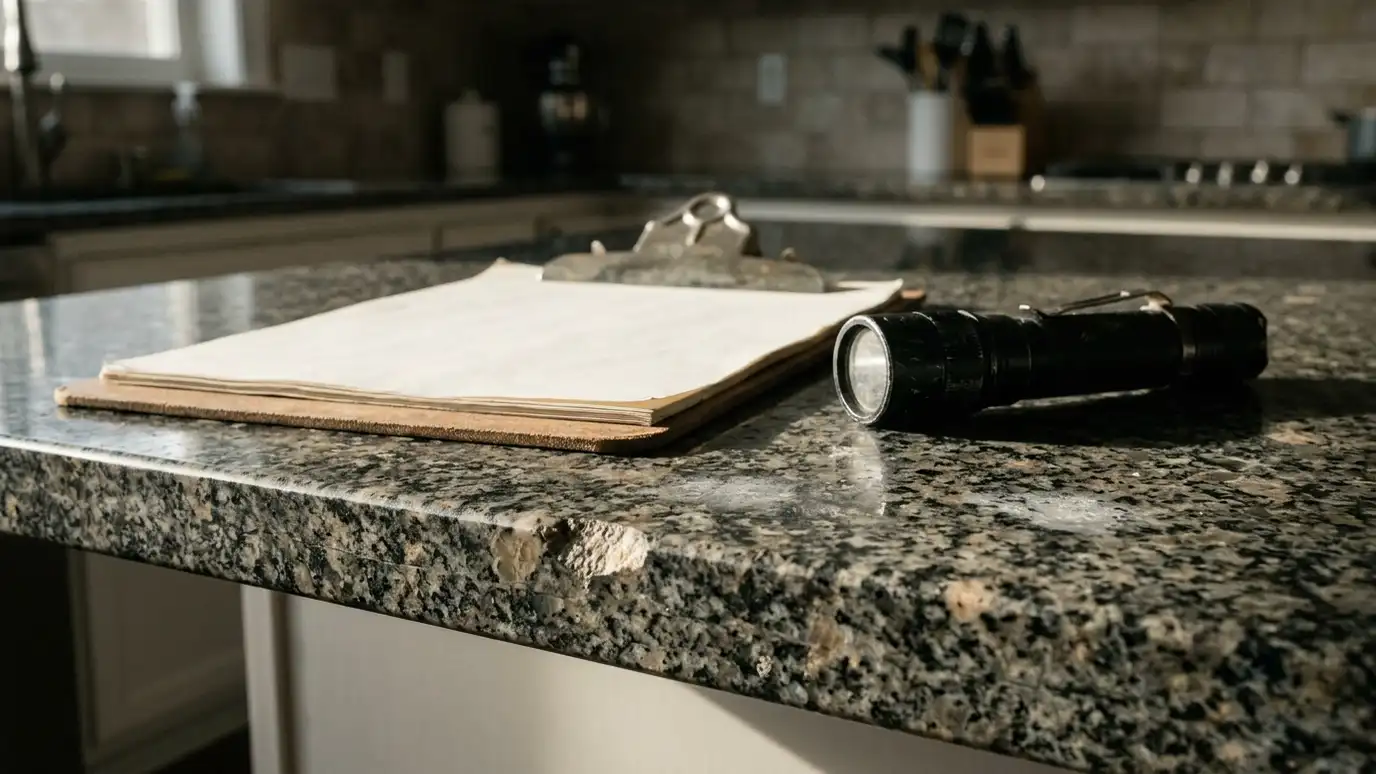
Seams can open or become uneven if cabinets shift, humidity changes or the original adhesive fails. This is usually repairable, with the pieces rejoined, leveled and polished. If your cabinets are moving, the cause should be corrected.
If you see a gap, a raised edge or a dark line, call your installer sooner rather than later.
Questions to ask before installation
How many seams will I have, and where? How will the pattern match? Can I see the plan? What adhesive color will be used? What is your process for leveling and polishing? How are seam problems handled after installation?
A clear, confident answer is a good sign of a careful installer.
Expect a seam, ask to see the layout and trust an installer who plans them as carefully as the cuts.