Cleaning, testing and resealing granite so liquids bead again, with a simple schedule for keeping the protection fresh.
Sealer wears. Over months and years, daily cleaning and use gradually break down the protective layer in granite, and spills begin to soak in instead of beading. Dark patches near the sink, cloudy rings and stains that were never a problem before are all signs it is time to reseal. In Nashville kitchens, with steady cooking and cleaning, resealing every year or two is a good rule of thumb, though dense stones can go longer.
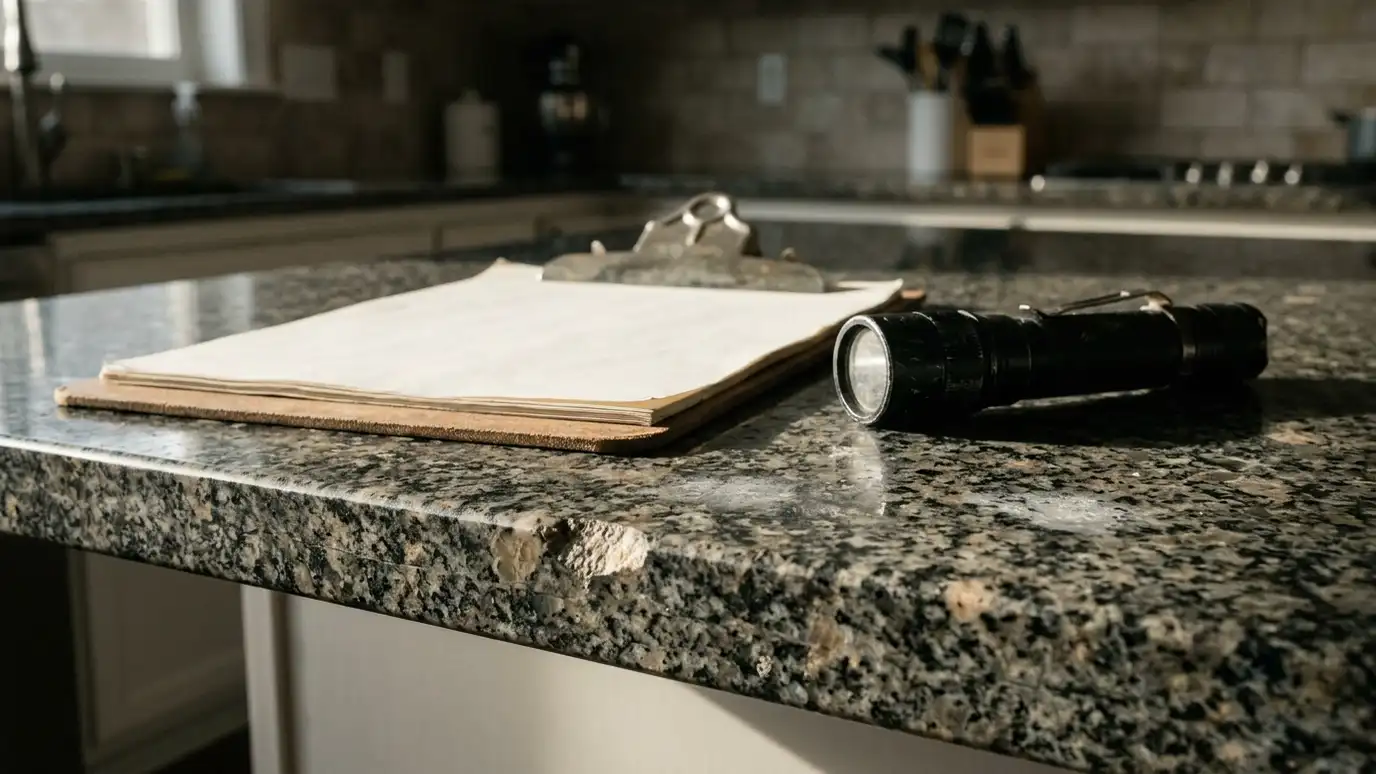
We start with the water test to see how protected the stone is. We deep clean to remove oils and residue, let the stone dry thoroughly, then apply a penetrating sealer in thin coats and wipe away the excess. We let it cure and test again. We also explain which stones need sealing more often, how to test at home and which cleaners keep the sealer working longer. We also point out which areas of your counter lose their seal first, usually the area around the sink and the spot beside the cooktop, so you know where to test.
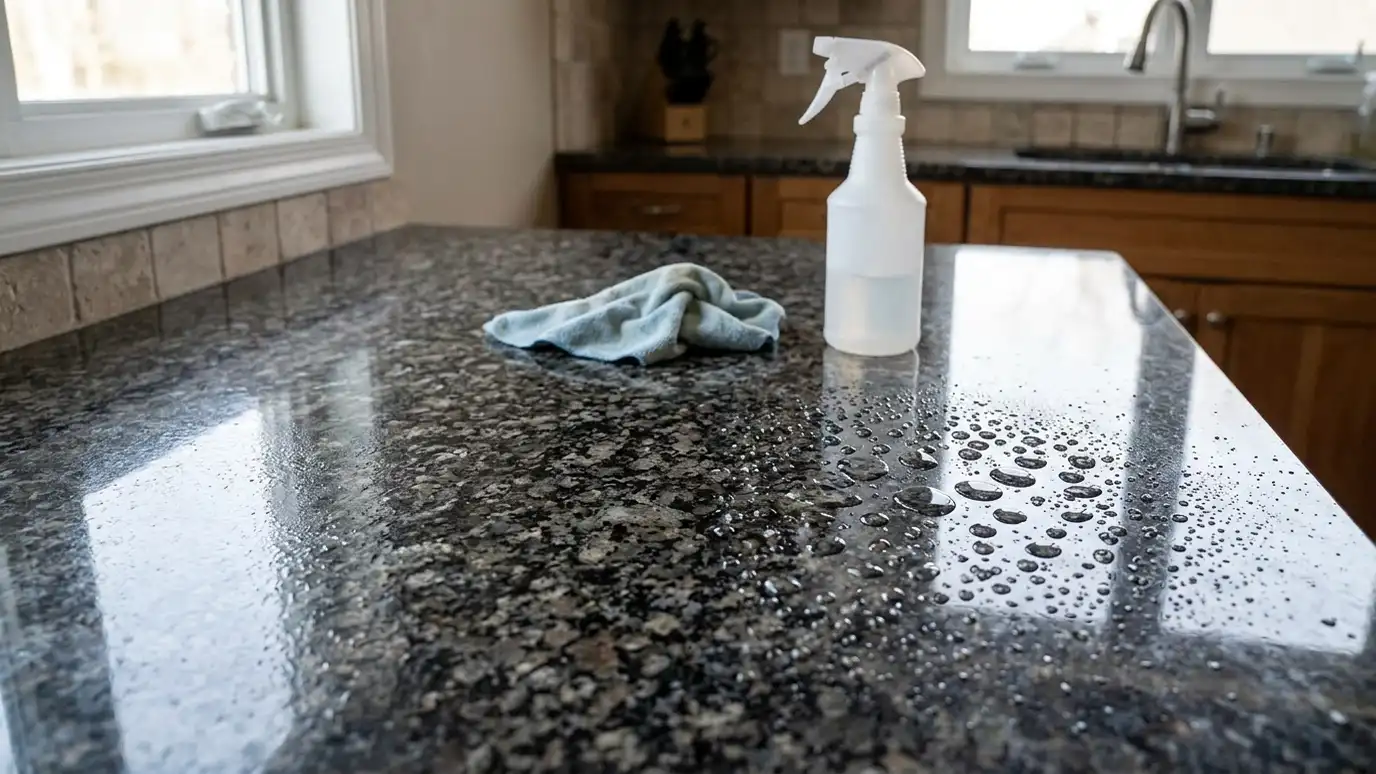
A few drops of water show how protected the stone is. If they darken the surface, the sealer is spent.
Oils and residue must be removed so the sealer can penetrate evenly.
We apply a penetrating sealer in thin, even coats and wipe the excess so there is no film.
We explain how often your stone needs resealing and how to test at home.
Drag the handle to compare.
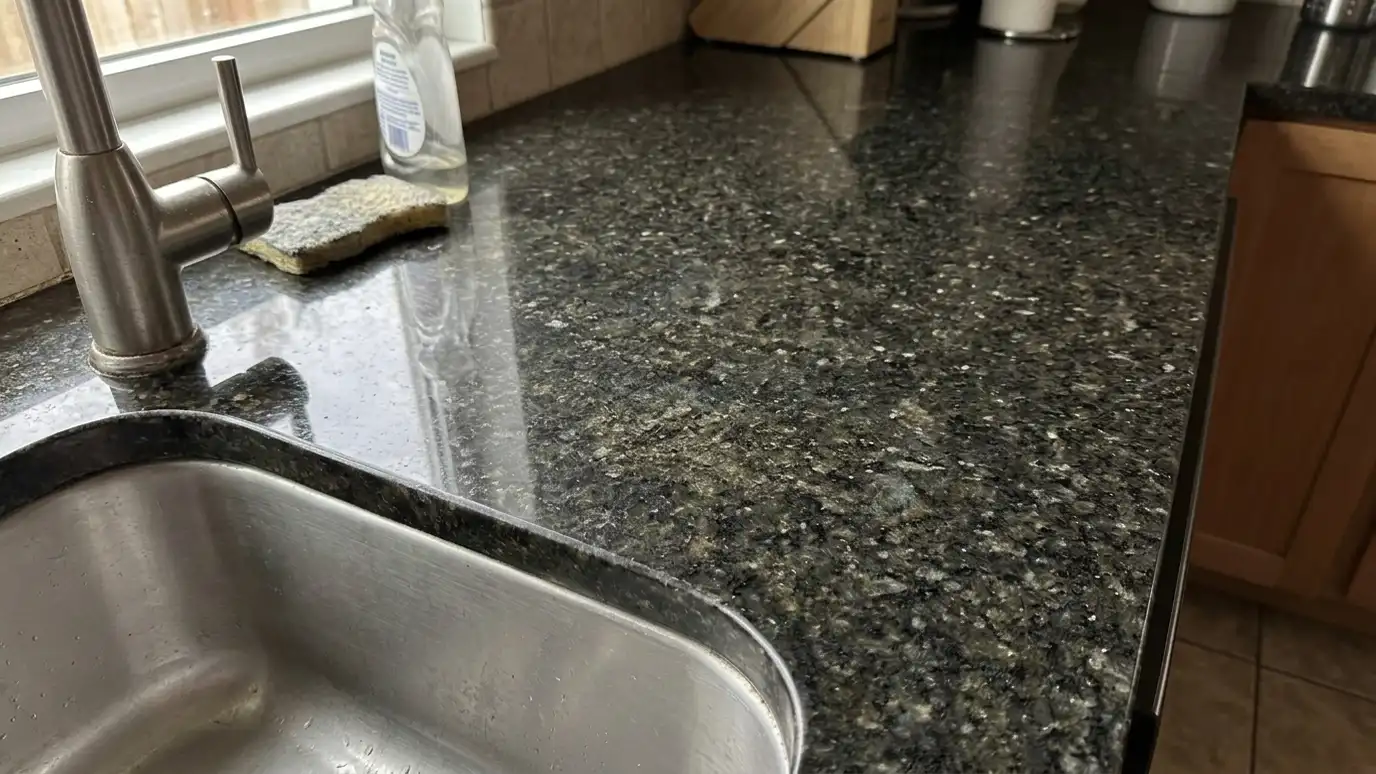
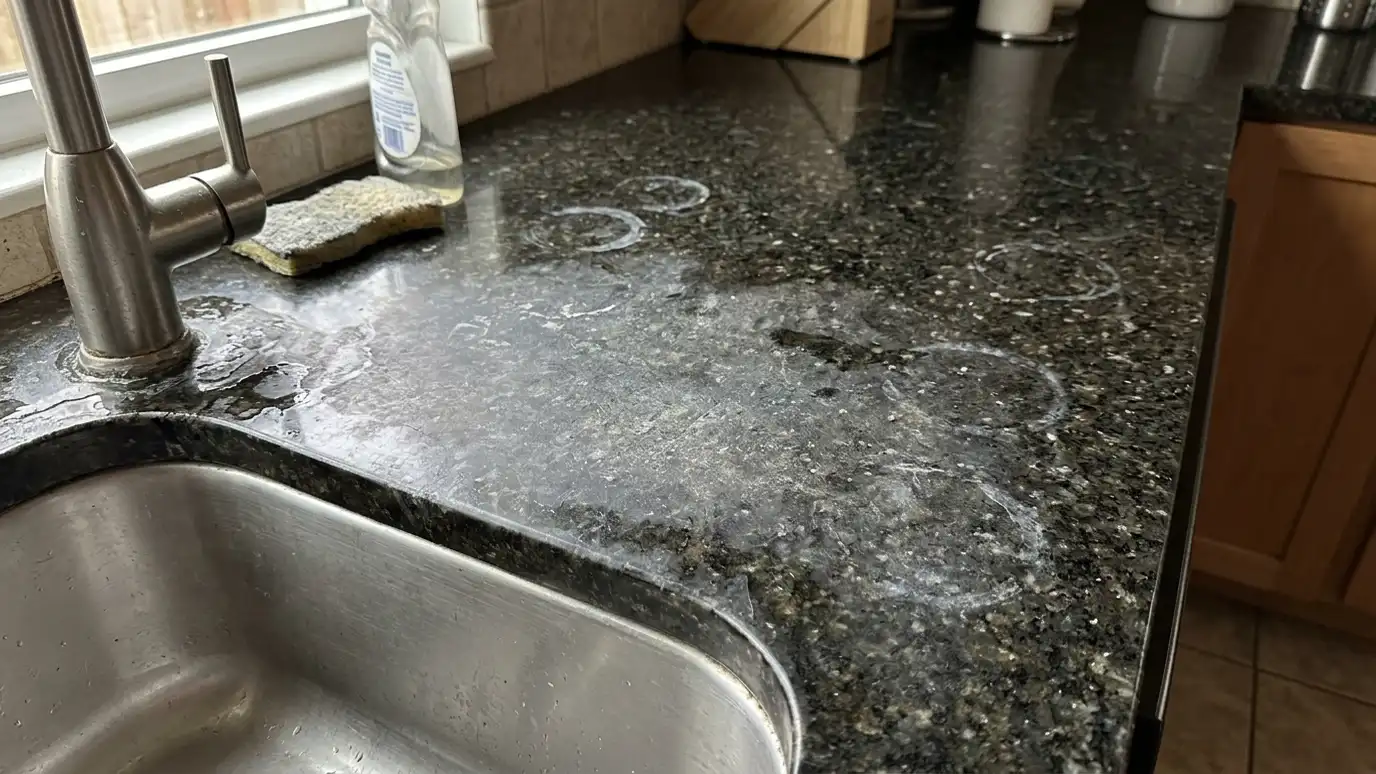 BeforeAfter
Liquids bead again.
Know when it is time.
Prepared surface.
No streaks.
When to reseal.
Proof it works.
Every topic has its own page with what to expect and how we approach it.
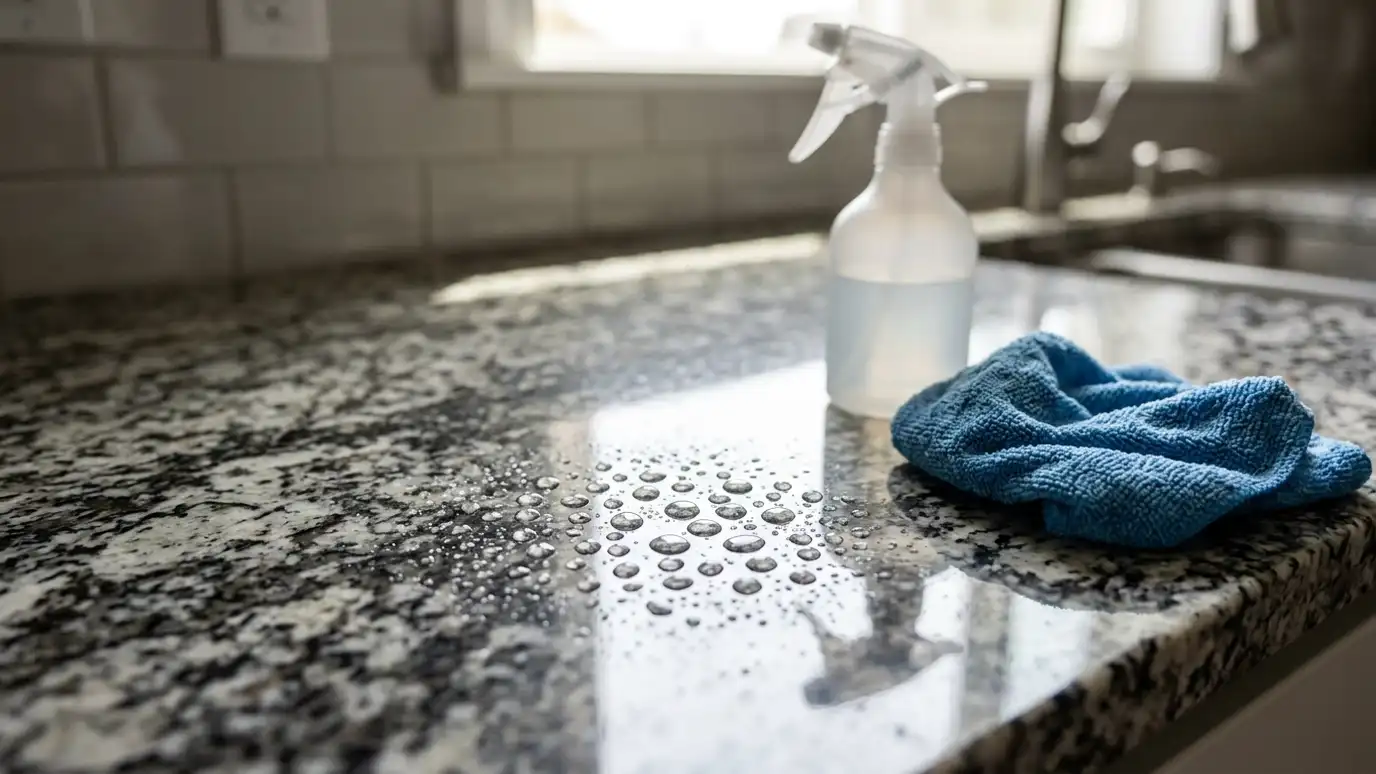 Topic guideSealing and CareHow to clean granite, test the seal, treat spills and know when to reseal, in plain steps you…Learn more
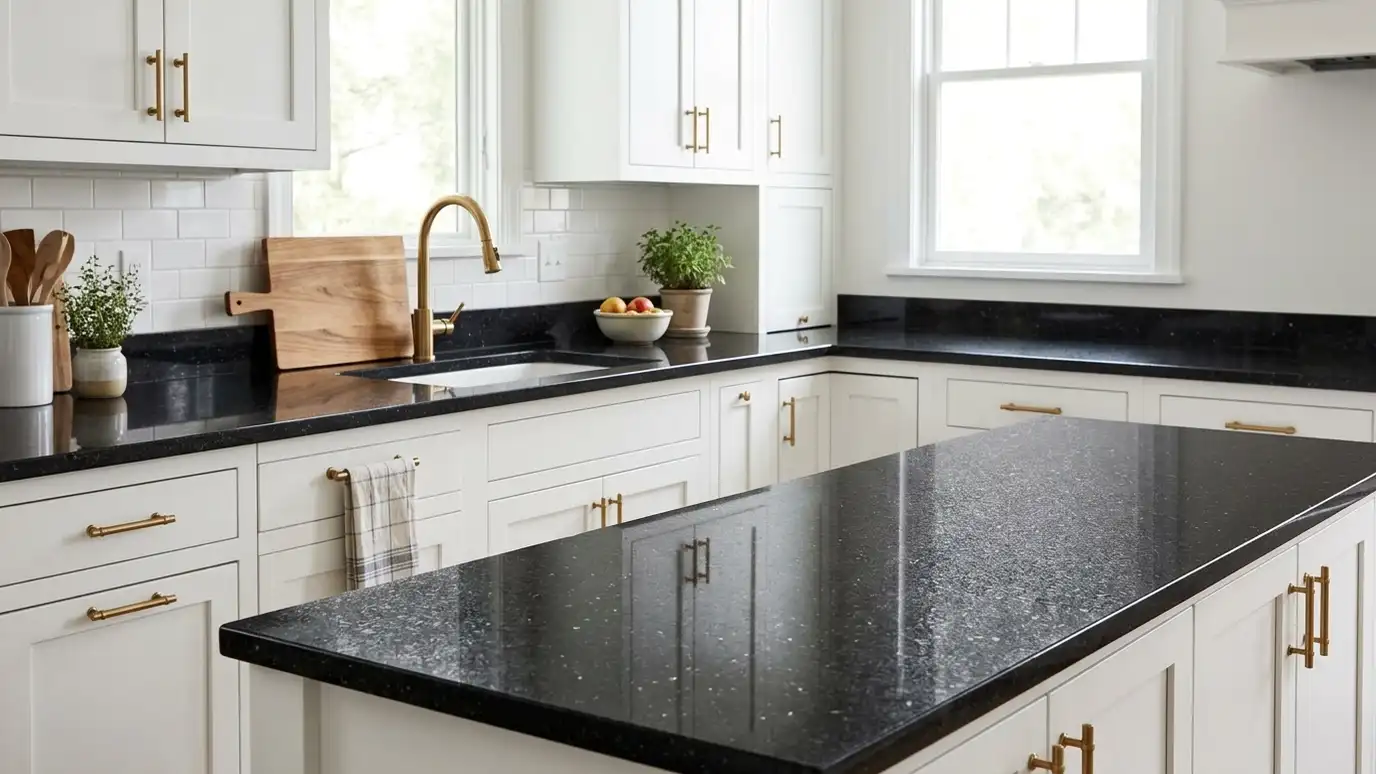 Granite colorBlack GraniteDeep, polished black with fine silver or gold flecks: a bold, classic look that pairs with white cabinets…Learn more
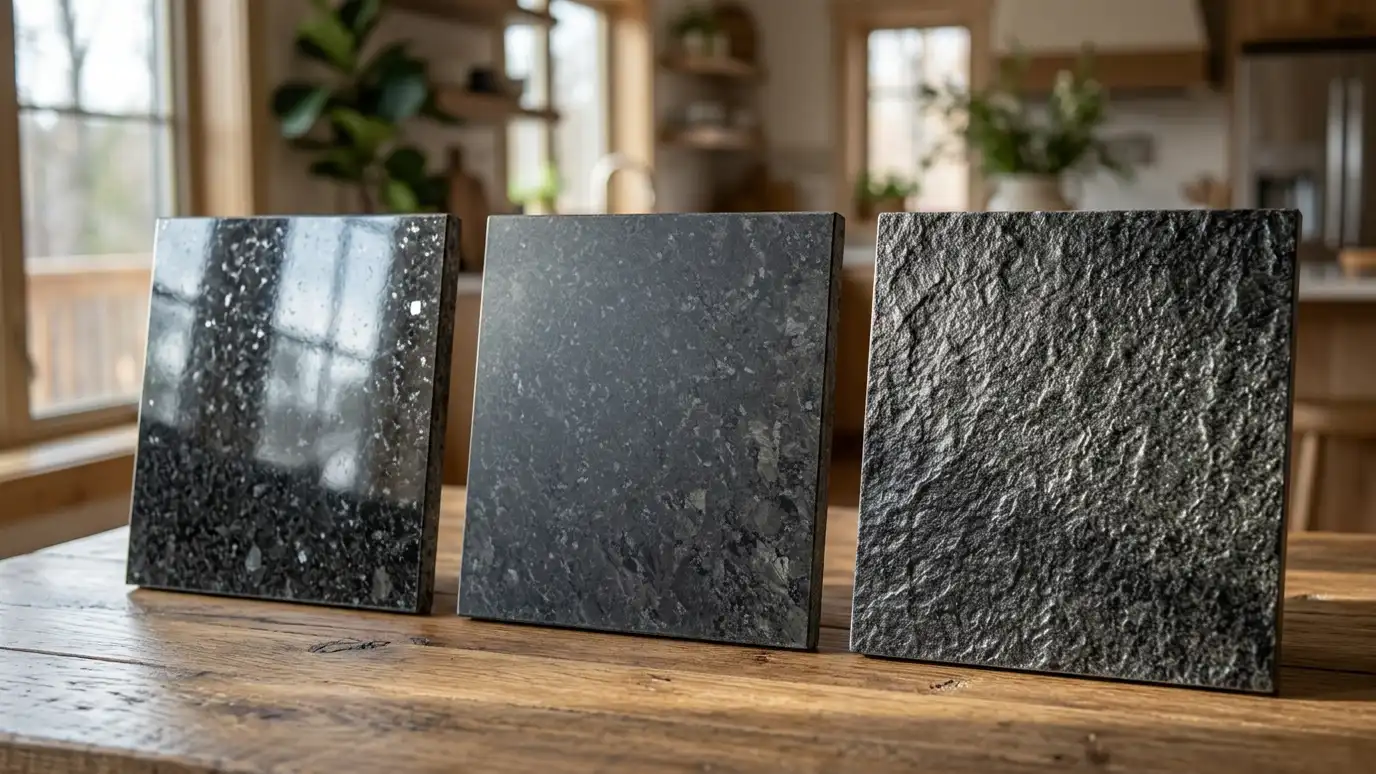 Topic guideGranite FinishesSee how polished, honed and leathered finishes differ in look, feel, smudges and care, and which suits each…Learn more
Enter your stone, finish, location and water test result to see when to reseal and how much sealer you need.
You tell us about your counters and what you want to change, from a repair to a whole-kitchen install, and we set a visit that fits your day.
We visit, measure, check the cabinets, walls and plumbing and talk through stone, edges, seams and sinks.
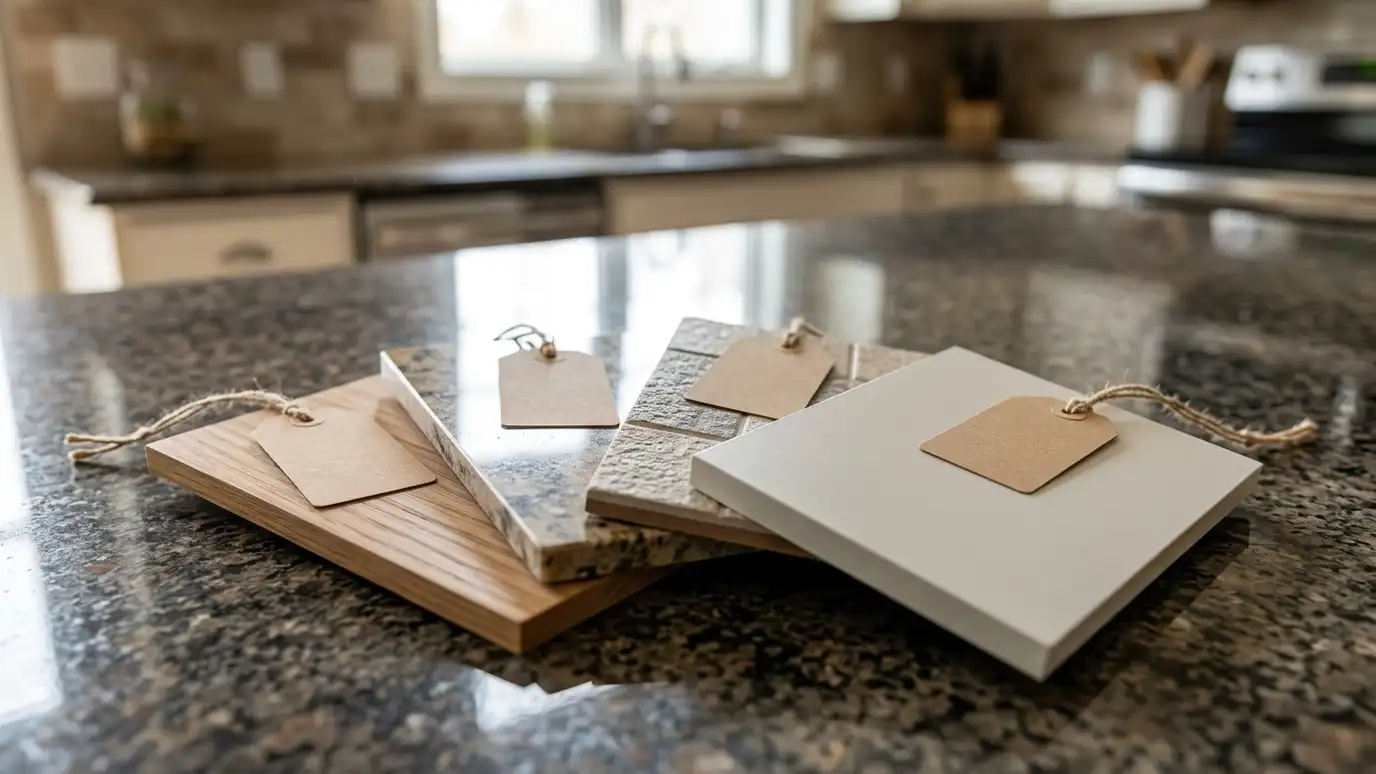
We help you choose a slab at local stone yards, plan the layout and give you an itemized written estimate with options.
Once cabinets are set and level, we template the real room, confirm cutouts and seams and send the plan to fabrication.
The stone is cut and polished, old counters are removed and the new granite is carried in, set, seamed and sealed.
We walk the finished counters with you, explain care, run the water test and leave the space clean.
Drop water on the counter. If it darkens or soaks in within a few minutes, reseal.
Often once a year or every couple of years, depending on the stone and use.
It may deepen the color slightly, which is normal.
Yes, with the right product. A professional treatment includes deep cleaning and correct curing.
No. Stains are treated first, then the surface is sealed.
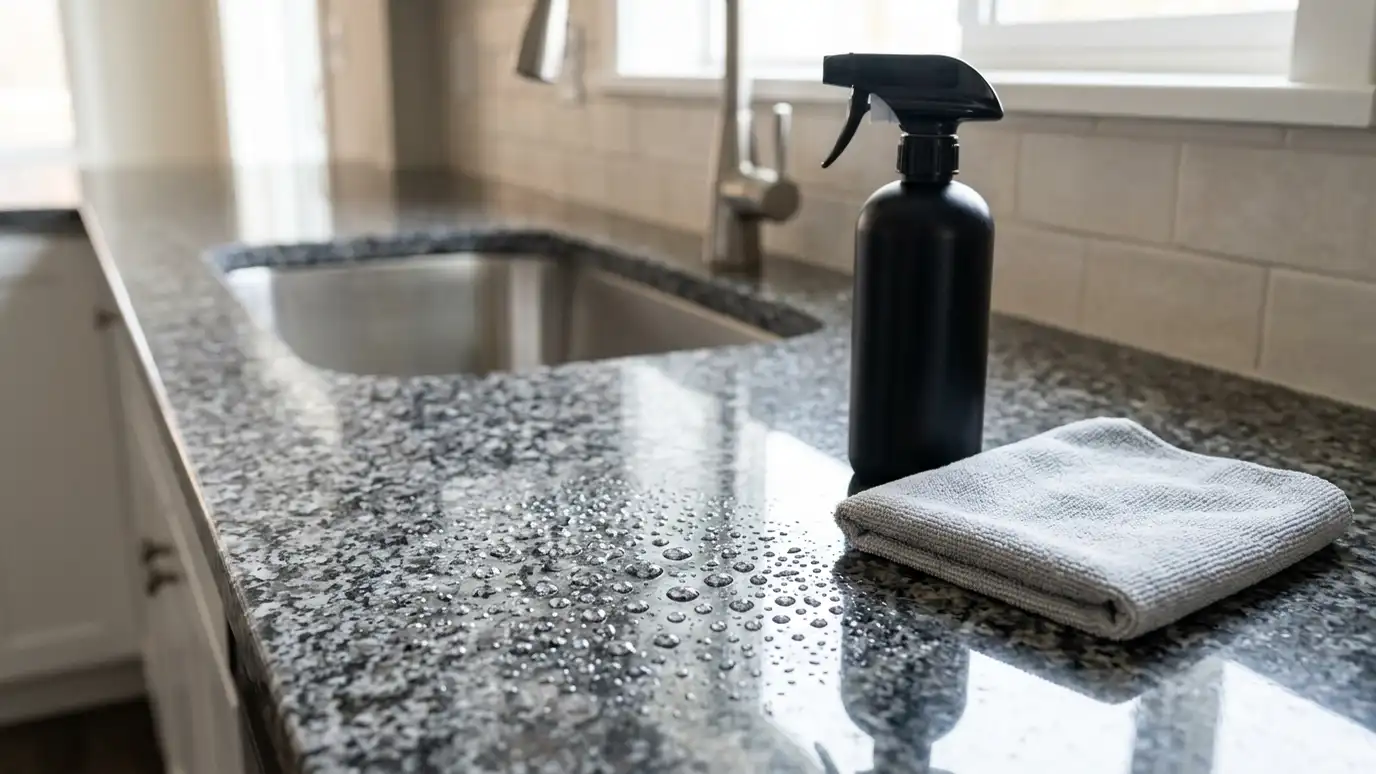 Sealing at InstallationPenetrating sealer applied and cured at install, with a simple water test and care instructions so your granite…Explore
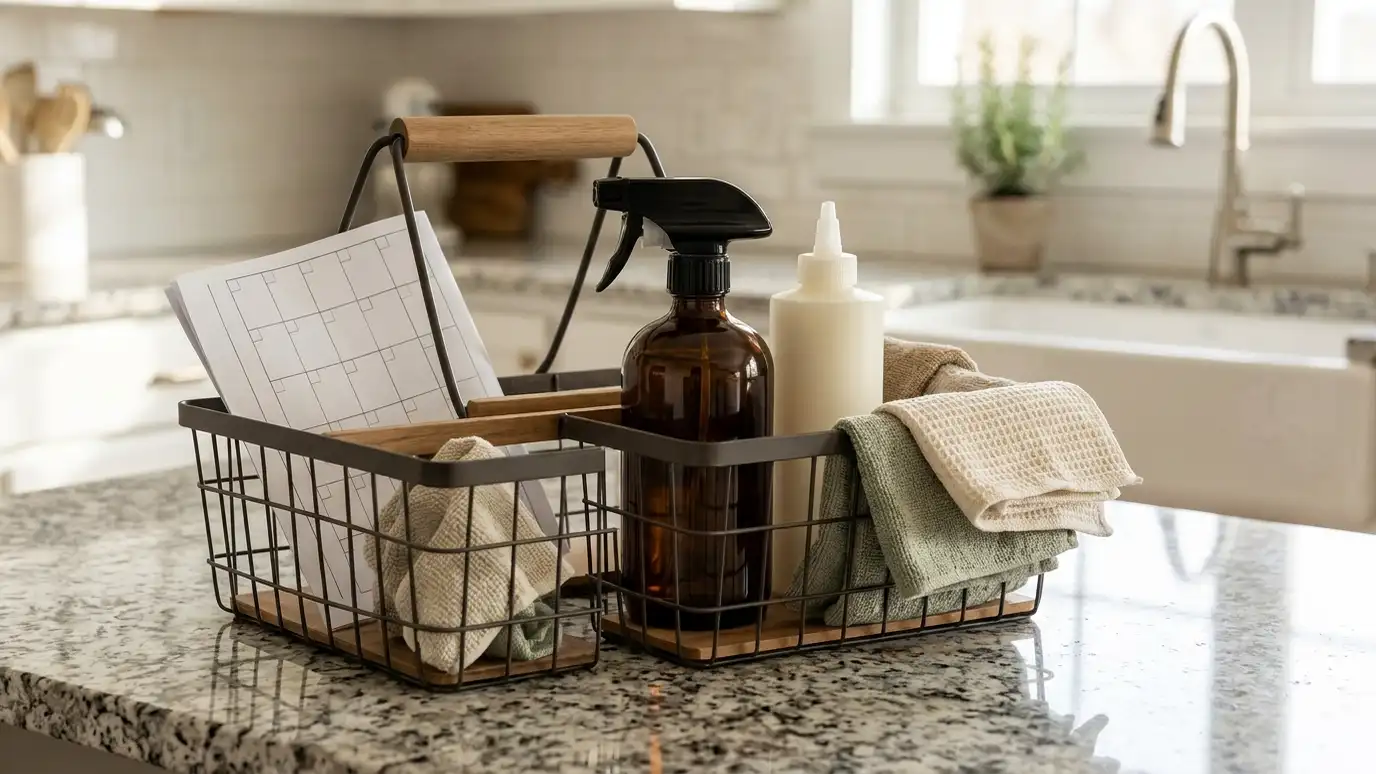 Maintenance and Care PlansA simple scheduled plan: periodic inspection, cleaning, sealing and touch-ups so your granite keeps looking and performing the…Explore
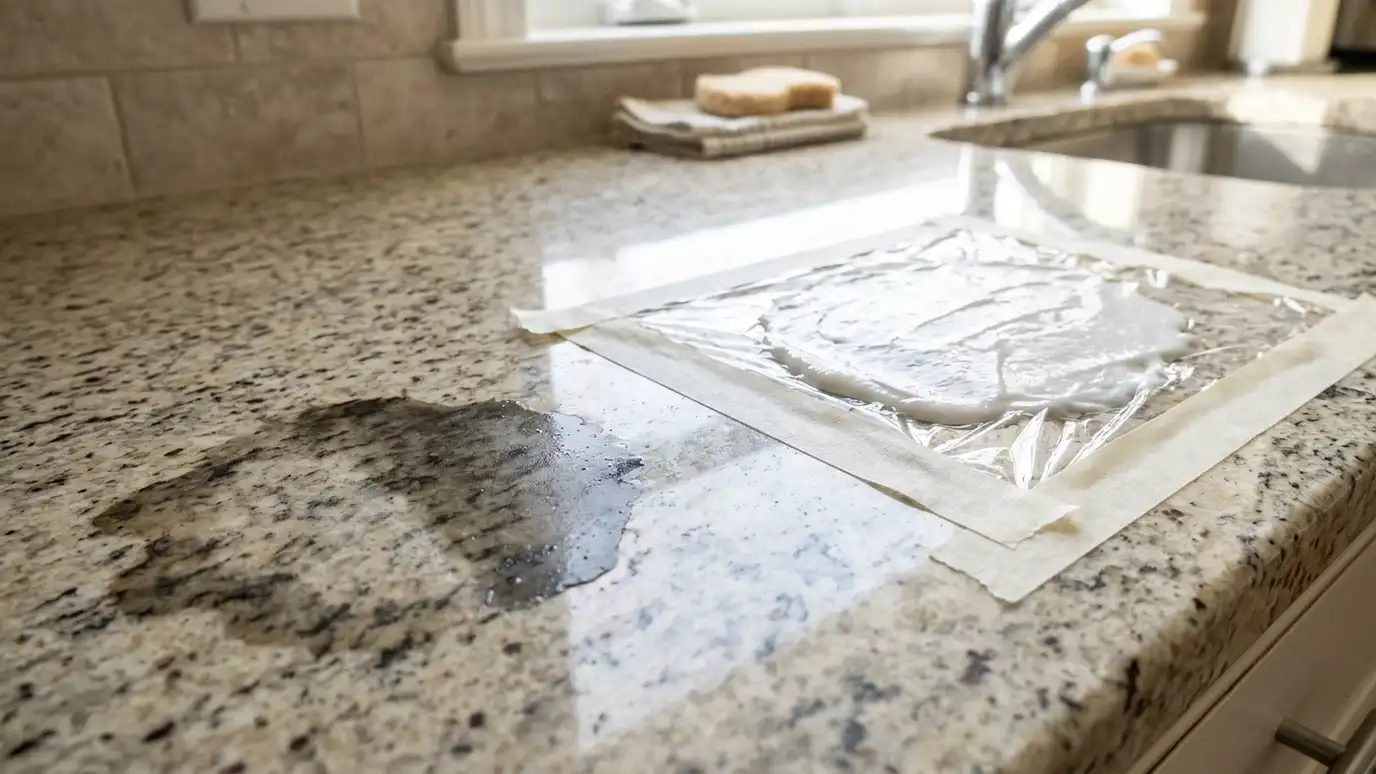 Stain RemovalIdentifying the stain and lifting it with the right poultice, so oil, wine, rust and water marks come…Explore
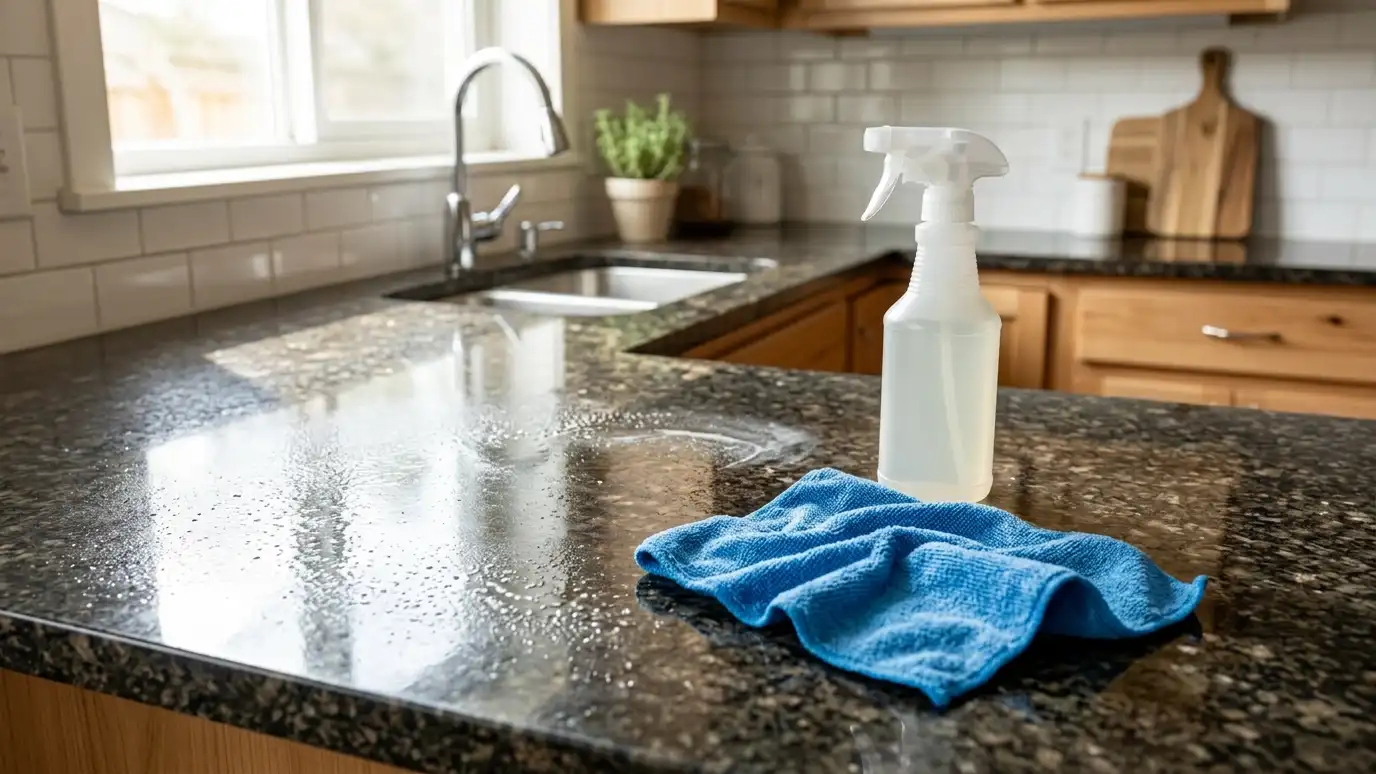 Deep CleaningStone-safe deep cleaning that lifts grease, grime and residue from granite and grout lines, and brings back clarity…Explore
Tell us about your project and we will call you back to set up a visit.
Or call (615) 357-7797 to talk now.