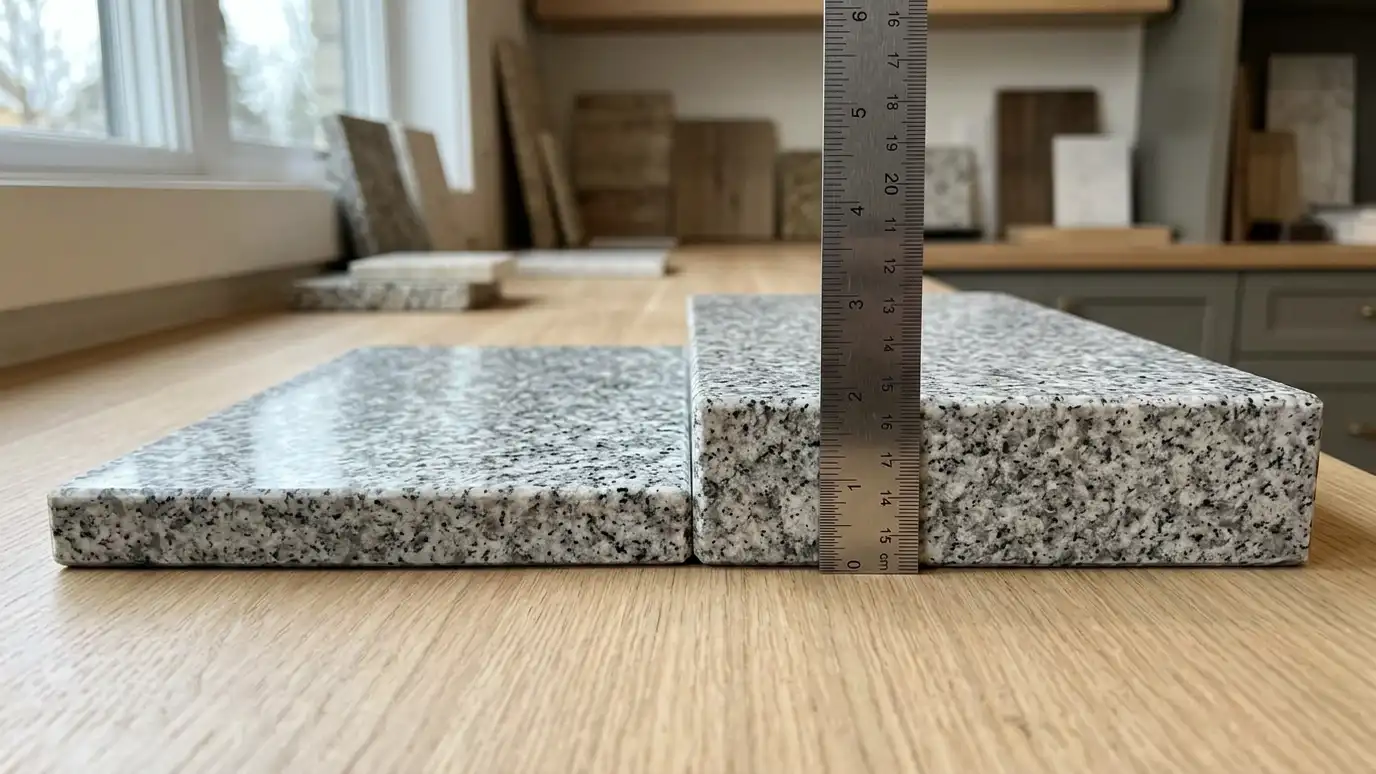
Why slabs come in two common thicknesses, how thickness affects support, edges, weight and look, and which fits your project.
Granite slabs are commonly sold in two thicknesses: about three quarters of an inch, called two centimeters, and about one and a quarter inches, called three centimeters. The thicker slab is stronger and heavier and often needs less support underneath. The thinner slab is lighter and often less expensive, but it usually needs plywood or support strips and a laminated edge for a thicker look. In Nashville, three centimeter slabs are the most common for kitchens, while two centimeter slabs appear in vanities, backsplashes and vertical applications.
Thickness affects the whole project: support, edge profile, seams, weight and sometimes cost. A thicker stone can span more between cabinets and can handle larger overhangs with proper brackets. A thinner stone can look sleek with a mitered edge. We help you choose based on the cabinets, the layout and the look you want, and we confirm that your cabinets can carry the weight.
Thinner, lighter, needs support.
Thicker, stronger, common for kitchens.
Laminated edges build up thin slabs.
Thicker is heavier.
Varies with thickness.
Cabinets must carry the load.
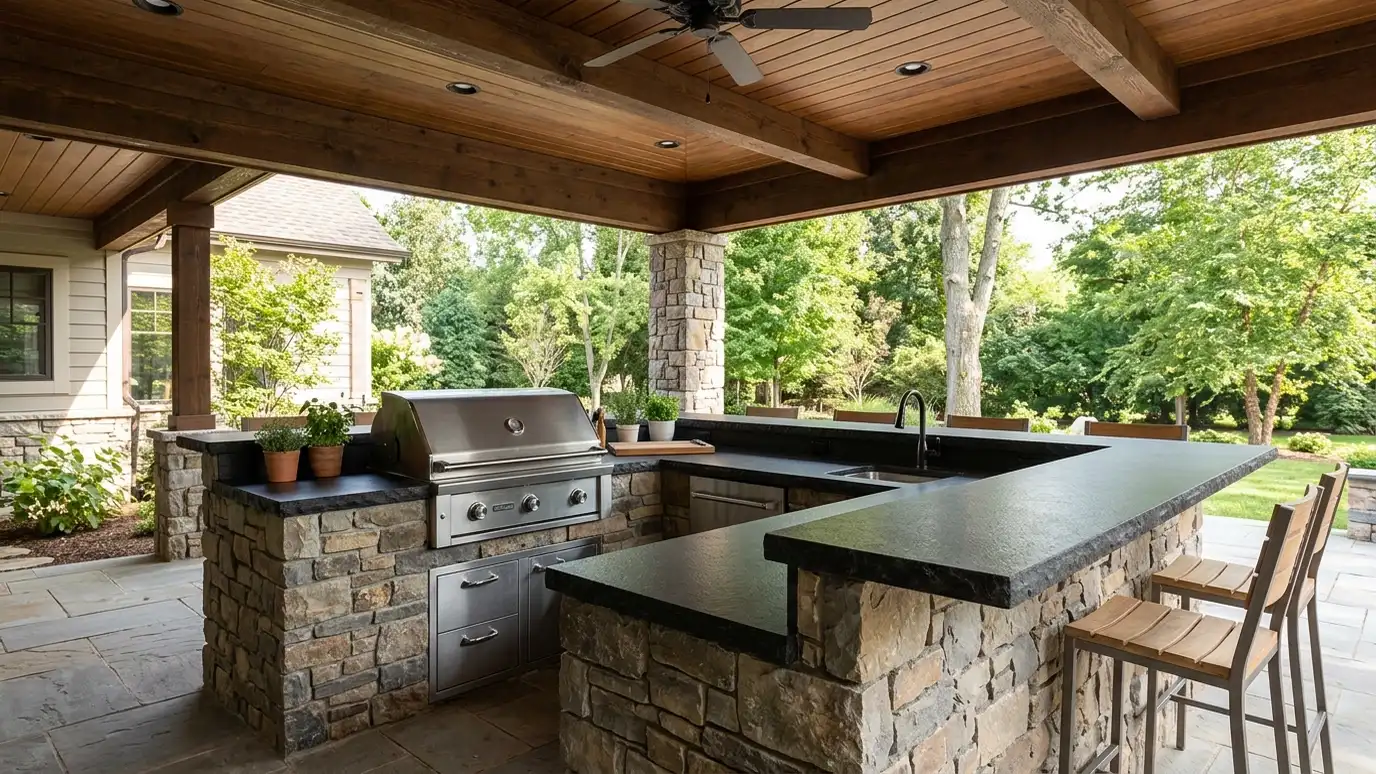 Outdoor KitchensThick, weather-ready granite counters for patio kitchens and grill islands, with cutouts for grills, sinks and side burners.Explore
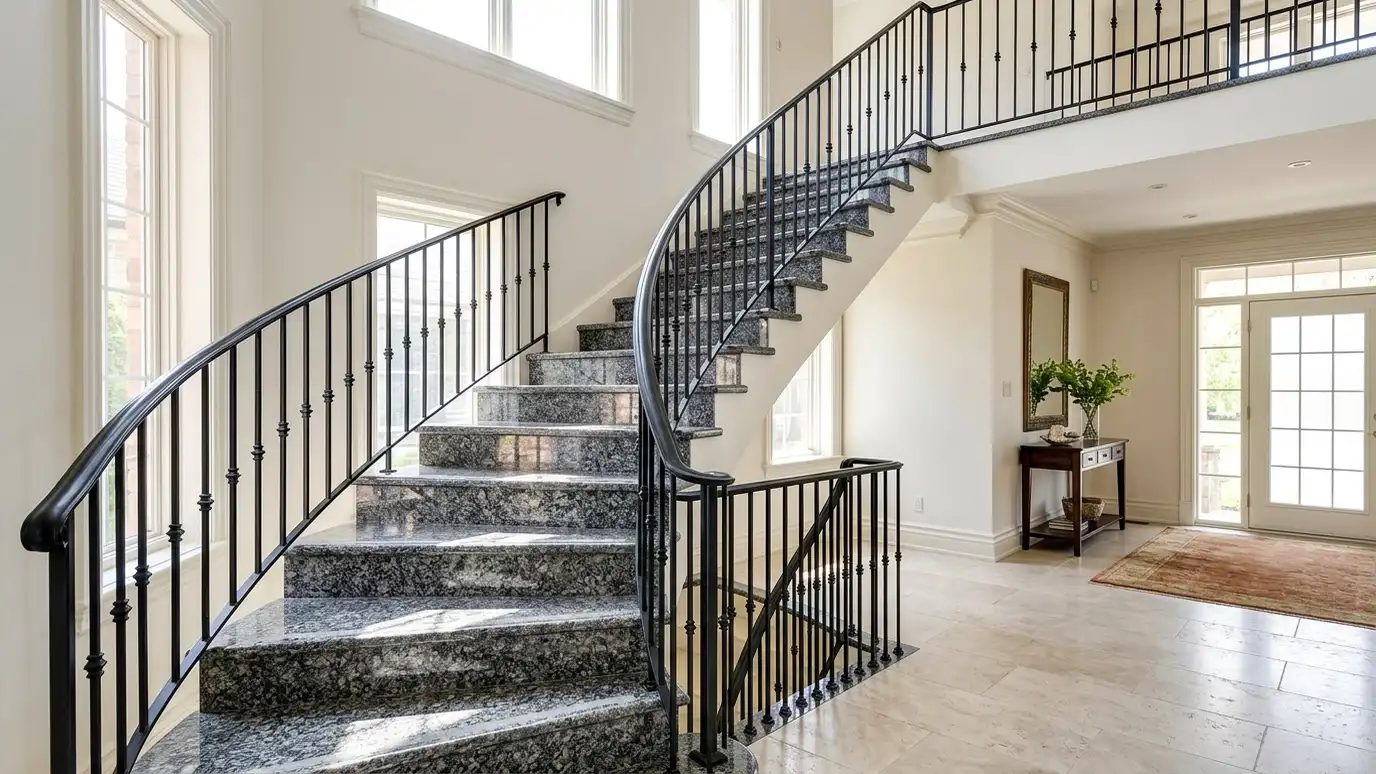 Stair Treads and StepsGranite treads, risers and landings with a safe textured nosing, for indoor staircases, porches and entry steps.Explore
 Project Budget PlanningPlain-English help understanding what drives the price of a granite project and where to spend or save, so…Explore
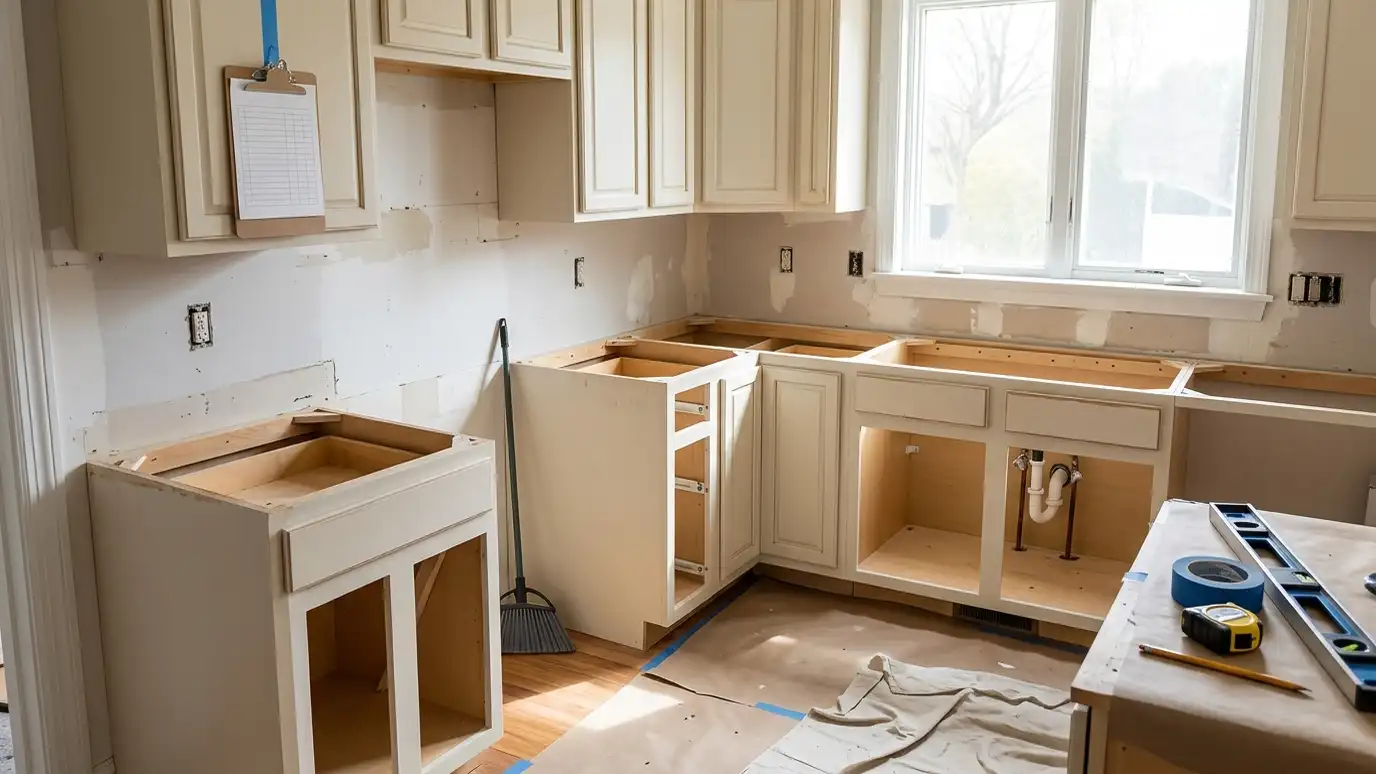 Scheduling and CoordinationOne point of contact for timing: templating, fabrication, plumber and electrician visits and installation day, so your kitchen…Explore
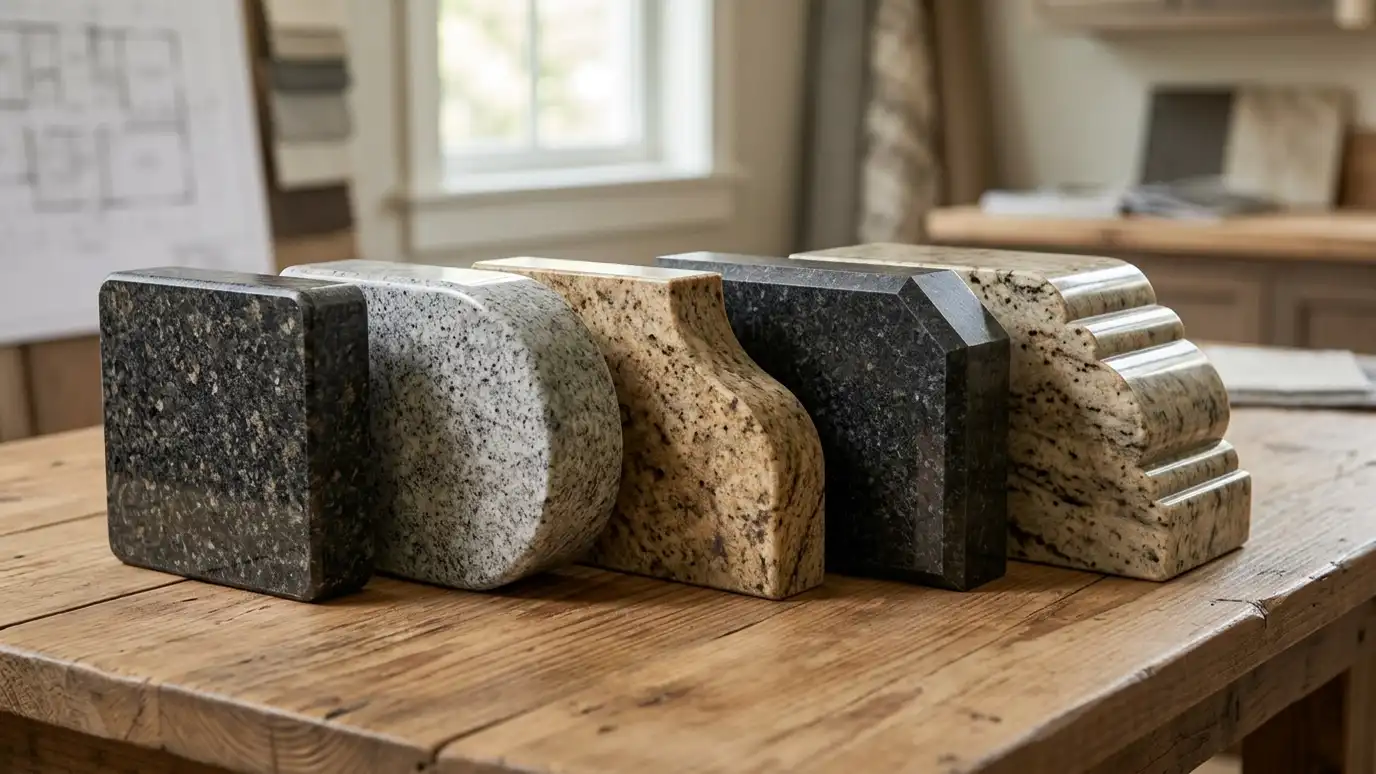 Edge ProfilesEased, bullnose, half bullnose, bevel, ogee and more: edge profiles shown on real samples so you choose the…Explore
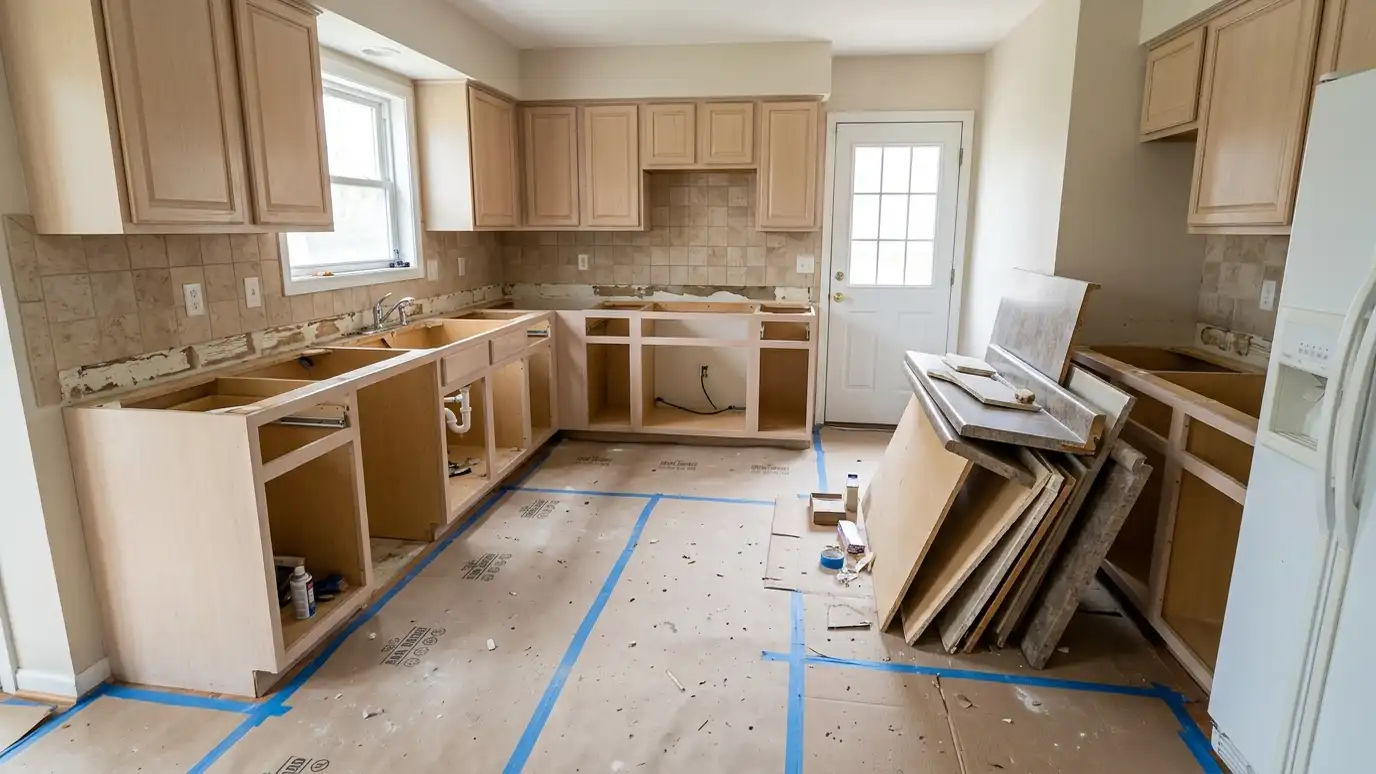 Countertop RemovalCareful removal of old counters with floors and cabinets protected, and the old tops hauled away, so installation…Explore
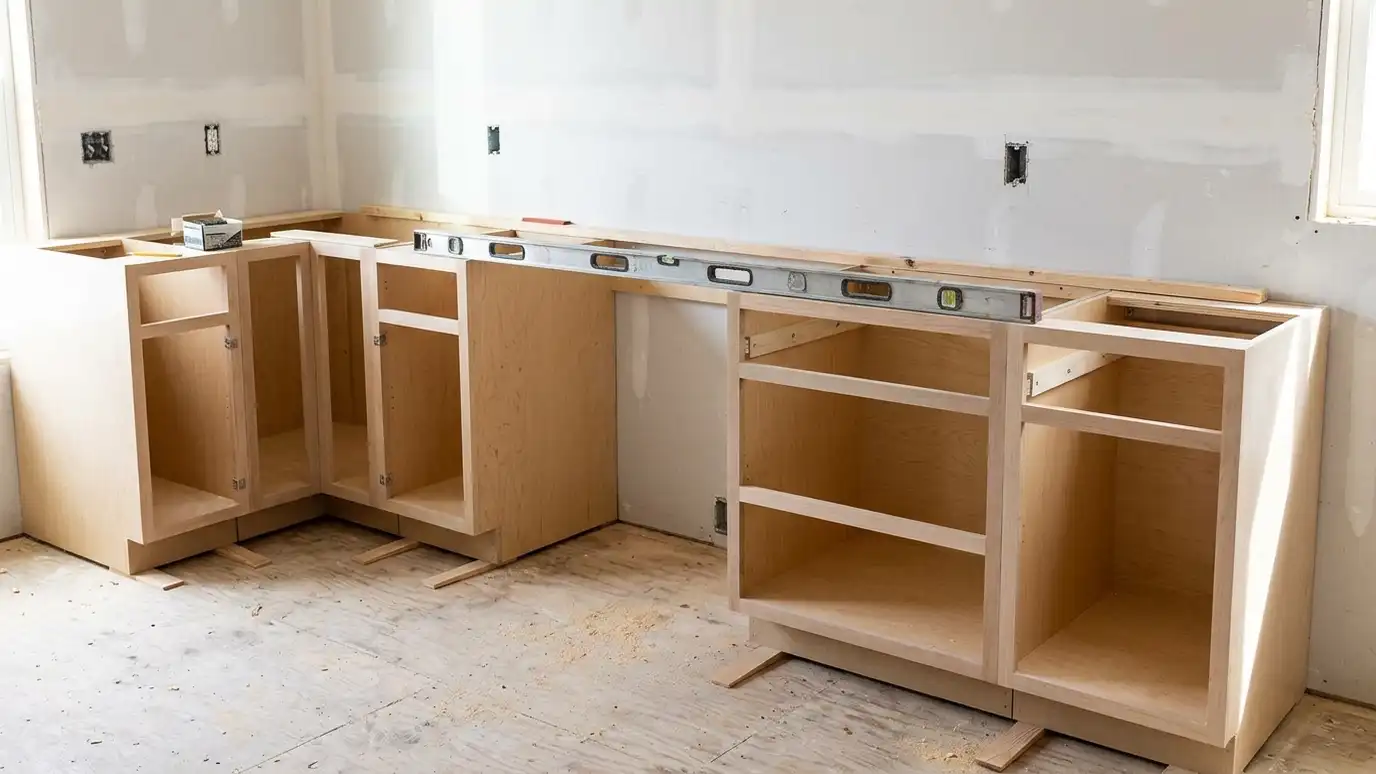 Cabinet LevelingShimming, leveling and adding support to cabinets so they can carry heavy stone safely and the new top…Explore
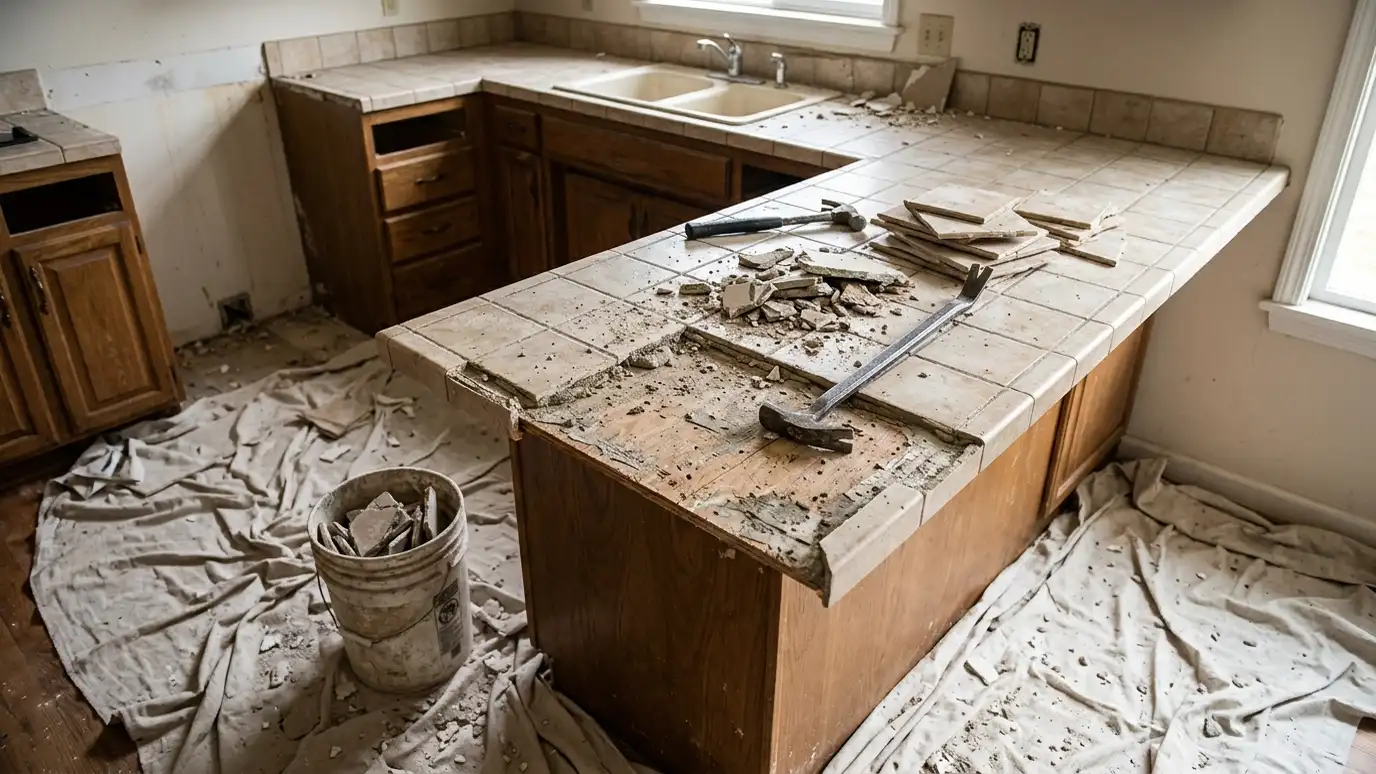 Laminate, Tile and Quartz Tear-OutRemoval of laminate, tile, solid surface, quartz and stone counters, with each material handled in the way that…Explore
Take the quiz, check your counters or ballpark a budget.
 Which Granite Service Do I Need? QuizAnswer five questions about your counters, your goals and your budget to see which services to start with.Try it
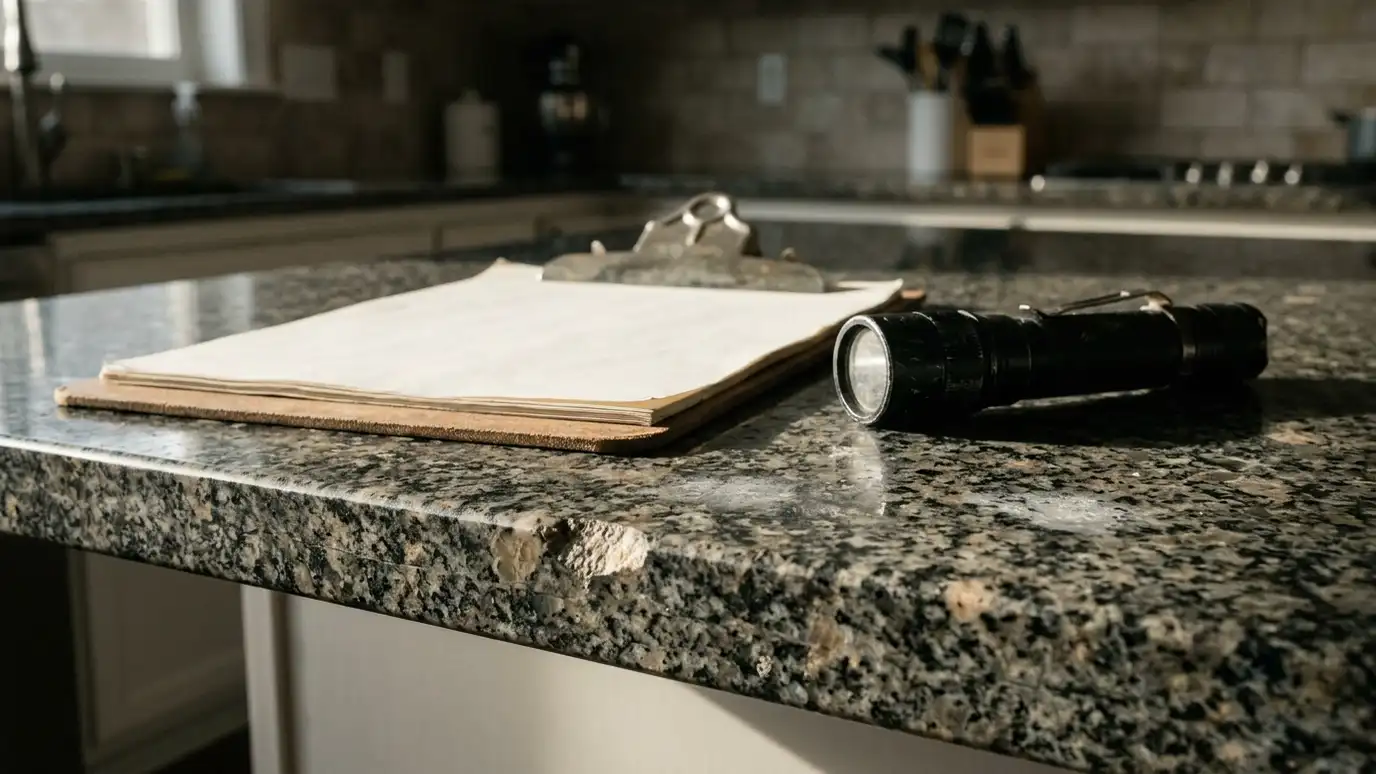 Granite Condition Checker: Repair or Replace?Tick what you see on your counters and get a priority list and a plain recommendation: care, repair, restore or replace.Try it
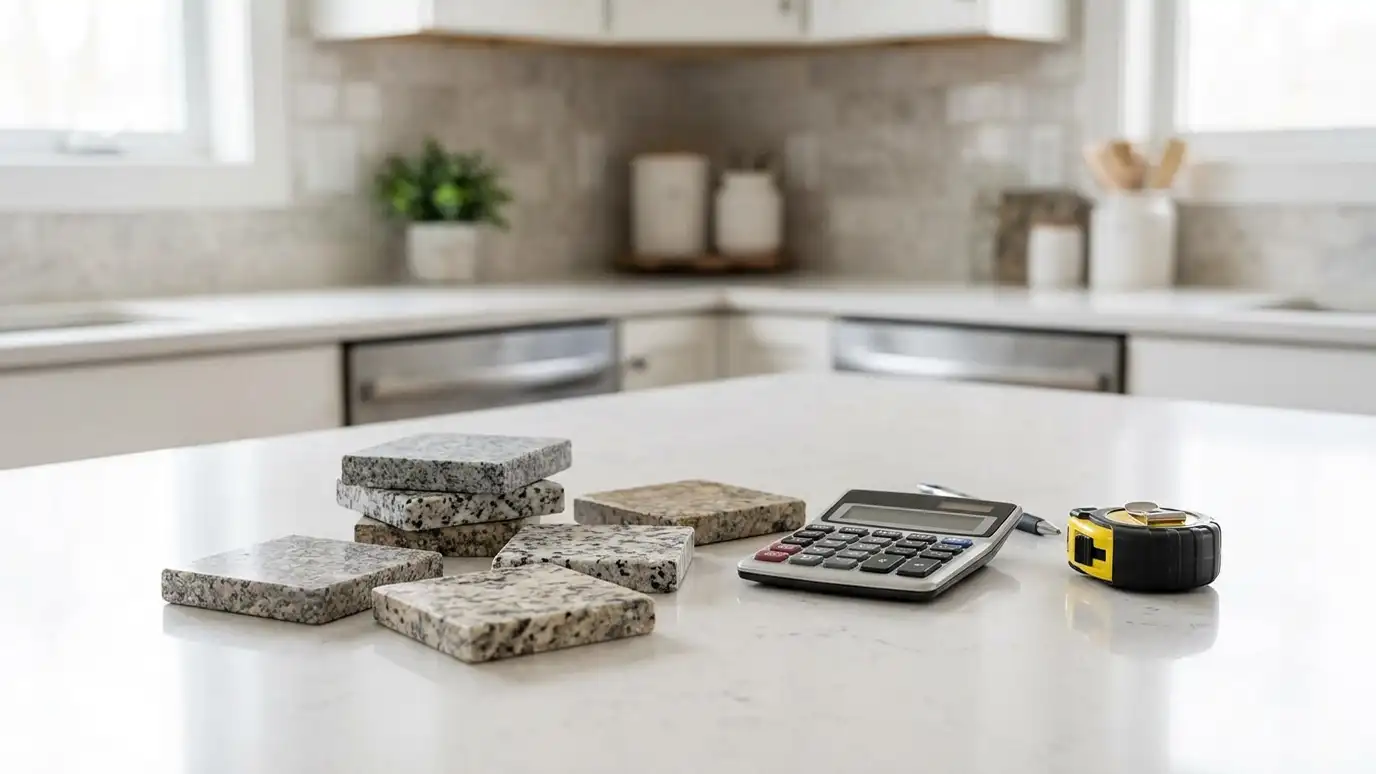 Granite Countertop Budget PlannerPick a job, set the size and add extras to see a ballpark planning range for your granite project.Try it
Three centimeters is the most common because it is strong and needs less support.
Yes, with plywood or support strips and a built-up edge.
It can. Thicker slabs use more material.
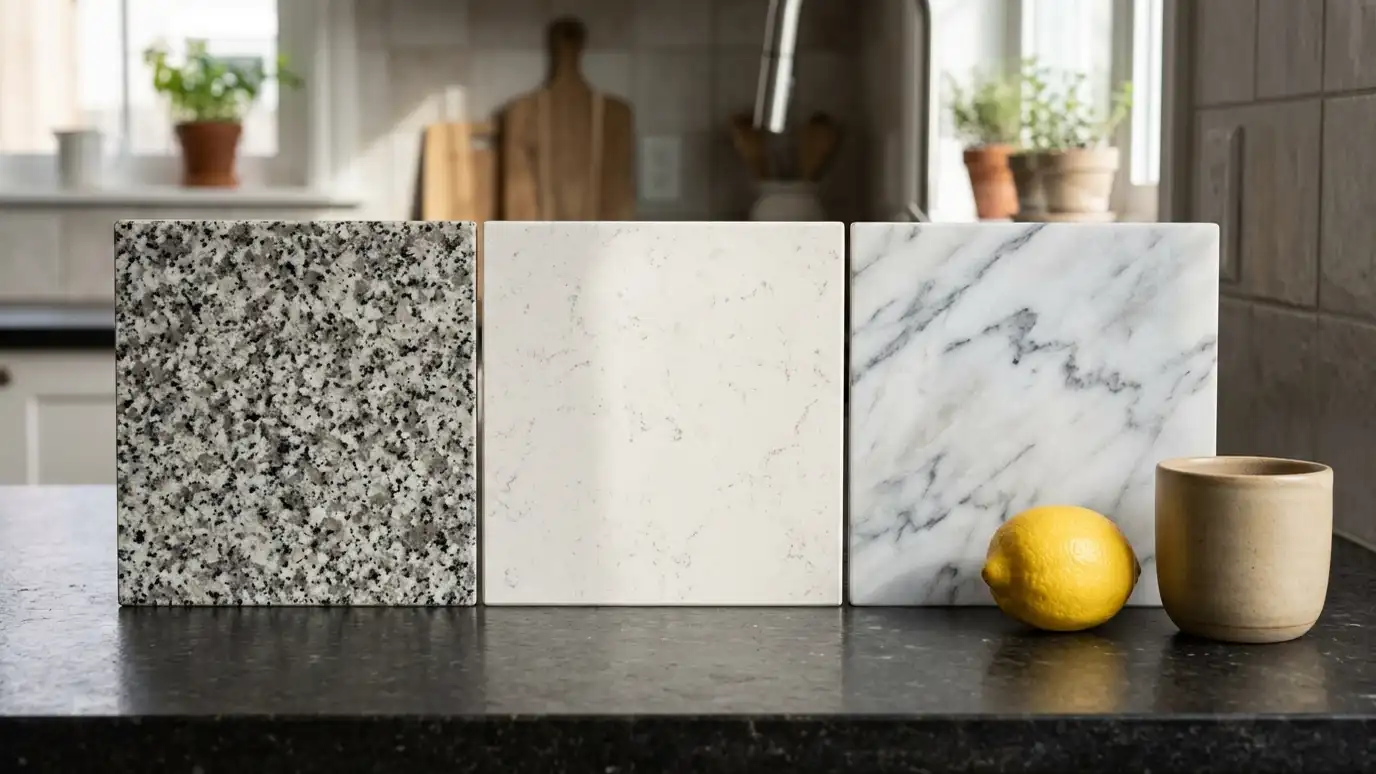 Topic guideGranite vs Quartz vs MarbleHow the three most popular countertop stones compare on durability, care, look and heat, with honest tradeoffs for…Learn more
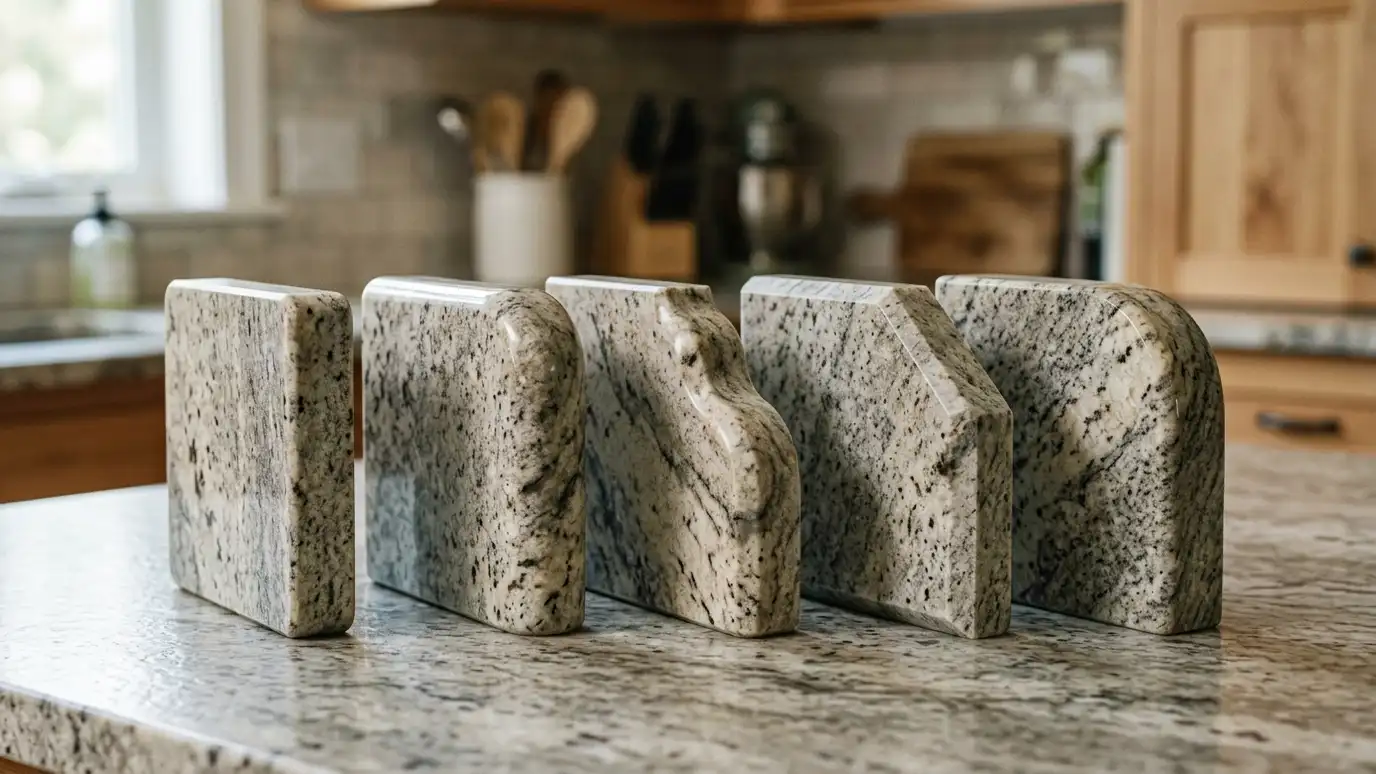 Topic guideGranite Edge ProfilesEased, bullnose, half bullnose, bevel, ogee and waterfall edges explained by look, comfort, chip resistance and cost.Learn more
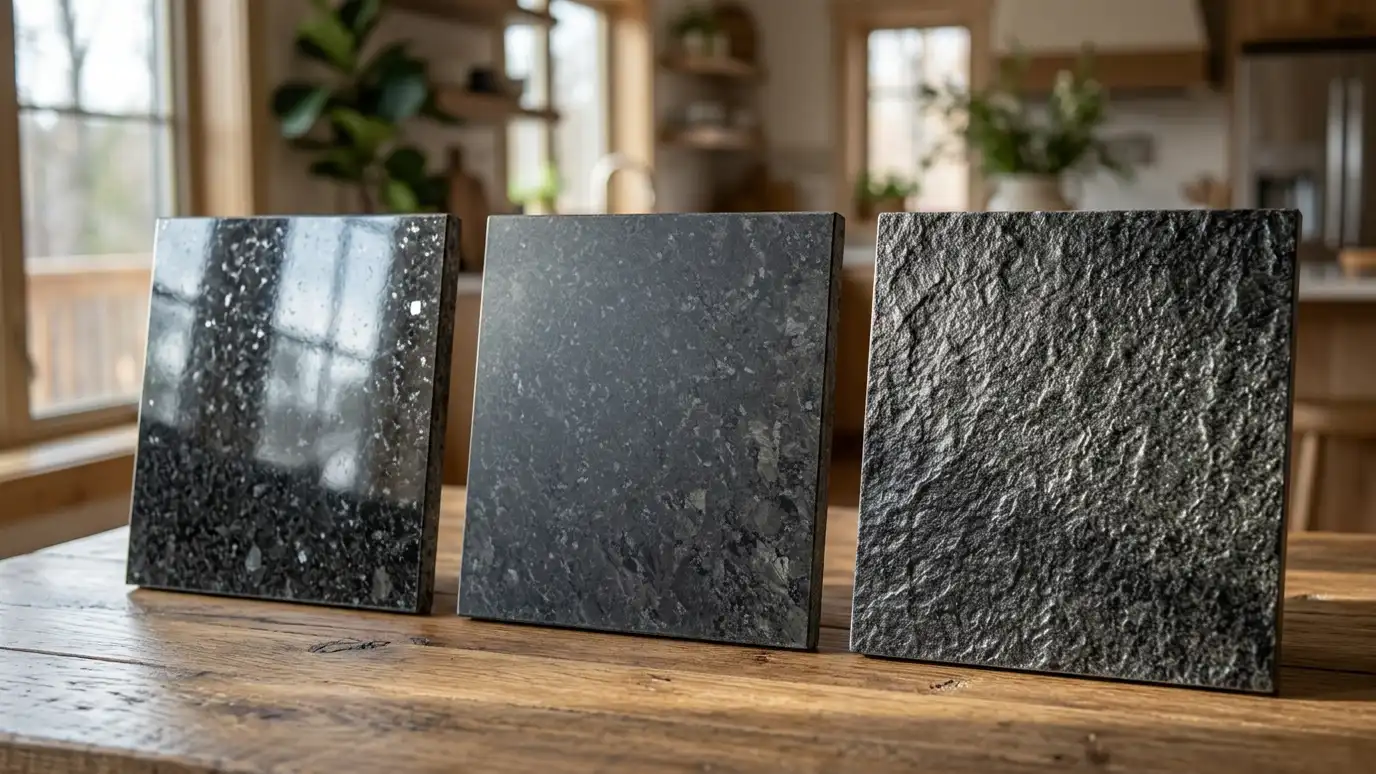 Topic guideGranite FinishesSee how polished, honed and leathered finishes differ in look, feel, smudges and care, and which suits each…Learn more
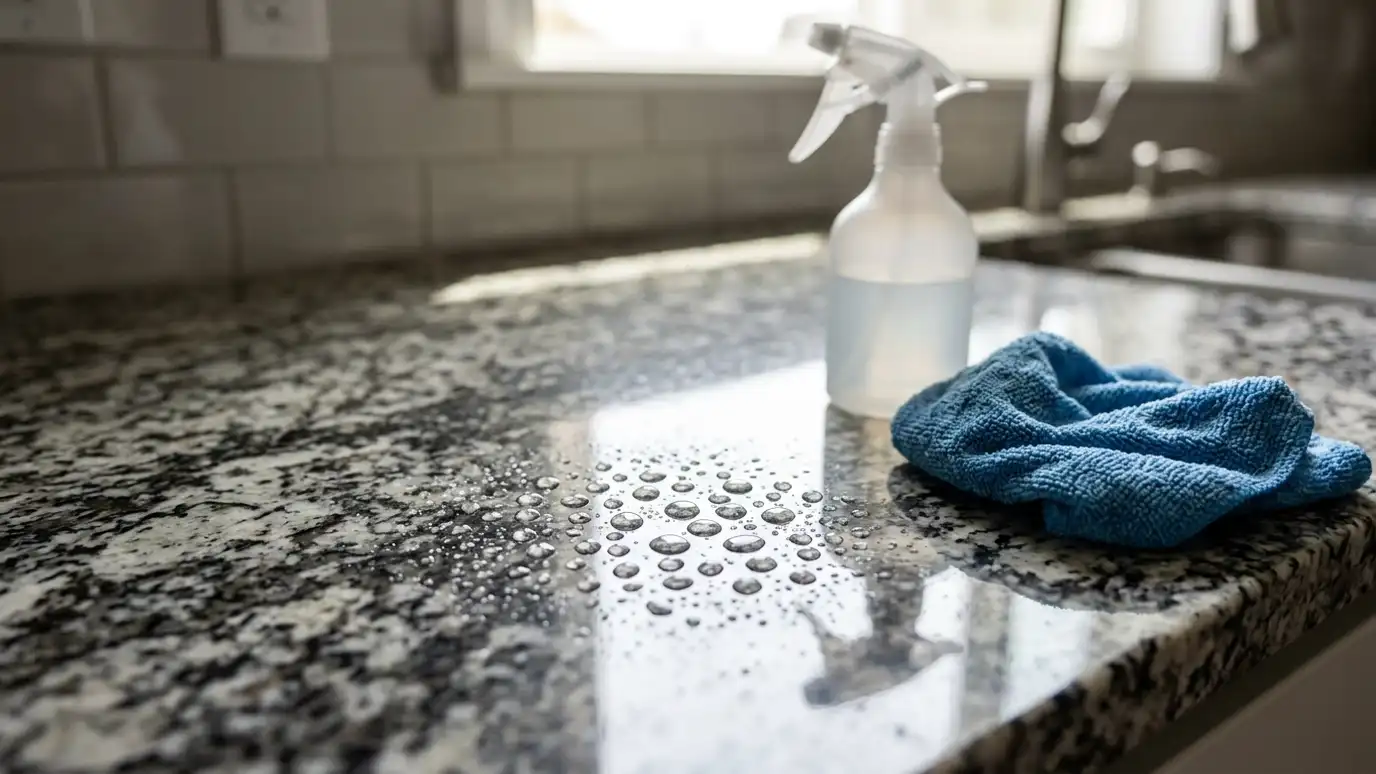 Topic guideSealing and CareHow to clean granite, test the seal, treat spills and know when to reseal, in plain steps you…Learn more
Call us and we will visit your home, measure, talk through stone and edges and give you an itemized written estimate.